
About 1Bus.co.uk | Coach Hire Platform
1Bus.co.uk is a free comparison platform connecting group travel organisers with licensed coach and minibus operators across the UK. Submit one enquiry, compare structured quotes, and book with confidence.
About 1Bus.co.uk: the UK's coach hire comparison platform
1Bus.co.uk is a free comparison service for coach hire and minibus hire anywhere in the United Kingdom. The problem it solves is narrow. Finding a dependable operator with the right vehicle for a group journey used to mean days of ringing round depots; now you describe the trip once, with route, dates, passenger numbers and any special requirements, and licensed operators who can actually run it reply with structured, comparable quotes. Read them side by side. Ask questions where something looks vague. Book the option that suits the group and the budget, or don't book at all, because comparing costs nothing and there's no obligation to accept any quote. The platform earns its keep by making the market work harder for you, not by stacking booking fees on top of the fare.
Behind the site is Faraday Web Services Ltd, a company based in Birmingham in the West Midlands. Handy, that. Birmingham sits at the hub of the UK motorway network with one of the densest pools of coach and minibus operators in the country on its doorstep, and the team built the service around one plain observation: group transport is a fragmented market. Hundreds of small and medium firms run excellent vehicles, yet most organisers only ever speak to the two or three whose numbers they happen to find. A single enquiry that reaches the right operators for the right journey changes that arithmetic completely.
One thing needs saying plainly: 1Bus.co.uk is not a transport operator. It owns no vehicles, employs no drivers and runs no services of its own. Every journey arranged through the site is performed by an independent licensed operator under that operator's own terms, insurance and professional obligations. What the platform supplies is connective tissue: one place to describe a journey, a quote format that makes proposals genuinely comparable, and a clean route from enquiry to confirmed booking. Payment is agreed directly with the chosen operator, on that operator's published terms, so the commercial relationship stays where it belongs, between the group and the company actually driving them.
How the platform works, step by step
Everything starts with one quote request. Set out the basics: pickup point and destination, outbound and return times, the number of passengers, plus anything the operator should know in advance. A wheelchair user in the group. A trailer's worth of band kit. A second stop to collect guests from the next village. Precision pays, because an operator pricing a known journey doesn't need to pad the figure against surprises. One well-written request replaces a dozen near-identical phone calls, and you can submit it at any hour, which suits committee secretaries and sports-club volunteers who do their planning after work. Nothing needs deciding at that stage either. An enquiry is a question put to the market, and the market answers it before anyone commits a penny.
That request then goes to operators whose licensing, fleet and operating area fit the journey. A sixteen-seat school run in the Scottish Borders and a seventy-seat wedding shuttle in Kent need very different companies, and there's little point in either enquiry landing in the wrong inbox. Matching on capability rather than advertising spend is a quiet advantage of a structured platform: the firms that respond are the firms that can do the work. Response quality stays high. Wasted conversations stay rare. And a small local operator with the perfect vehicle never gets crowded out by louder marketing.
Quotes come back in a structured format, not as free-form emails. Each proposal states the vehicle offered, the seat count, the price and the terms, so you can line up three or four responses and see at a glance where they differ. That structure is deliberate. Unstructured quotes hide their differences in the small print; one includes the driver's overnight accommodation, another doesn't, and the cheapest headline figure is not always the cheapest journey. Putting every proposal in the same shape makes honest comparison easy and gives well-priced smaller operators a fair shot against bigger names.
The final call is yours. There's room to ask questions before committing, about seatbelts and child restraints, about luggage space, about what happens if the event overruns, and nothing is booked until you choose to book it. Once a proposal is accepted, the detail is confirmed with the operator directly and the group travels under that operator's care. The whole process stays orderly and documented from first enquiry through to booking, which is exactly the paper trail a school bursar or a company finance team wants when signing off group transport spending.
Vehicles available through the platform
The smallest vehicles quoted through 1Bus.co.uk are eight to sixteen-seat minibuses, and they carry a surprising share of the country's group travel. An airport run for two families. A stag weekend. A five-a-side team with kit bags, or a care home outing where the driver needs to pull up close to the door. Modern minibuses are a long way from the rattling vans people remember from school: forced-air ventilation, decent luggage space and three-point belts on every seat are standard expectations now, and accessible variants with lifts or ramps can be requested where a passenger travels in a wheelchair. For a small group, the minibus is usually the cheapest door-to-door option going.
Sitting between the minibus and the full-size coach is the midi coach, typically twenty-five to thirty-five seats. It's the workhorse of school swimming lessons, medium-sized wedding parties and factory shift shuttles. Big enough that nobody waits for a second vehicle. Small enough to thread rural lanes and tight hotel forecourts that would defeat a twelve-metre coach. If your numbers hover awkwardly around thirty, the midi is often the difference between one sensible vehicle and two half-empty ones, with the price advantage that follows.
Full-size coaches, generally forty-nine to around seventy seats, handle the big movements: whole-school trips, conference delegations, sports supporters, long-distance touring. At this scale the underfloor lockers matter as much as the seats, because a fifty-passenger group flying from a major airport travels with fifty suitcases, and the comfort specification starts to vary meaningfully between vehicles. Reclining seats, air conditioning, toilets, USB charging and PA systems appear on many touring-specification coaches. Say in the enquiry that the group will be aboard for four hours rather than forty minutes and you'll be quoted the right class of vehicle for the job.
Top of the range are executive and VIP coaches, specified for corporate hospitality, wedding principals and touring parties spending serious time aboard: leather seating, tables, hot drinks machines, onboard Wi-Fi where offered, liveried drivers. The honest guidance, repeated across the platform's own city pages, is to match the vehicle to the journey rather than defaulting to the biggest or the plushest. A structured quote makes that calculation visible. The enquiry states the group size and the occasion; the operators respond with the vehicle class they judge right, priced transparently against the alternatives.
Journeys and occasions covered
Education traffic is the backbone of the UK coach industry, and it's a large part of what moves through 1Bus.co.uk. Schools and colleges use the platform for day trips, residentials, sports fixtures and exam-season shuttles, alongside ongoing term-time arrangements handled through dedicated school transport services. School work carries obligations beyond ordinary hire: enhanced DBS checks for drivers on regular contracts, correctly specified seatbelts, and pick-up procedures a head teacher can defend to governors. Enquiries flagged as school work are treated accordingly, and a bursar comparing structured quotes sees exactly what each operator offers before committing to anything.
Weddings bring their own logistics. Guests scattered across hotels, a venue up a narrow lane, a timetable that cannot slip. Couples and planners use the platform to arrange guest shuttles between ceremony, reception and accommodation, often running a repeating loop through the evening so nobody is stranded or tempted to drive. The practical wins are real, because a single coach replaces twenty scattered taxis at the end of the night, and the coordination questions that matter, like turning space at the venue and a contact number for the driver on the day, are exactly what a structured enquiry surfaces early rather than at the eleventh hour.
Corporate work runs the full width of the market: a nine-seat airport pickup for a visiting board one week, multi-coach conference movements timed around keynote sessions the next. Businesses value predictability above nearly everything else. A named vehicle, a professional driver, an agreed schedule, an invoice finance can process without queries. Staff shuttles between sites, park-and-ride for company open days and team-building excursions all follow the same pattern here: one enquiry, several structured proposals, a decision made on evidence rather than guesswork. Repeat requirements can become ongoing arrangements with the chosen operator once the first journey proves the fit.
Airport and port runs reward precision. A group flying together saves noticeably by travelling to the terminal together, and a coach or minibus booked through the platform's airport transfer service is priced for the journey rather than per head, which is where the arithmetic starts favouring groups of six or more. Operators quoting here handle flight-time pickups, terminal drop-off rules and luggage volumes as routine, and the same logic covers cruise terminal connections at Southampton, Dover and Liverpool. For an early departure, one booked vehicle turning up at five in the morning beats hoping four taxis all show.
Beyond the set-piece occasions, the platform carries the whole miscellany of British group travel: day trips and excursions to coastlines, theme parks and heritage cities, sports clubs moving squads and supporters to fixtures, concert and festival groups who want to arrive together and leave together, community associations and university societies on their annual outing. Each has its quirks. Muddy boots, matchday parking, festival drop-zones with strict slot times. The operators who quote for them price with those quirks in mind, and the pattern never changes: describe the journey honestly, compare the responses carefully, book with the operator whose answer fits best.
Coverage across the United Kingdom
1Bus.co.uk covers England, Scotland, Wales and Northern Ireland. Dedicated local hire pages exist for thousands of cities, towns and neighbourhoods, taking in major centres such as Birmingham, Manchester, Glasgow, Cardiff and Belfast as well as individual suburbs and villages, each one carrying genuinely local detail: the postcode area, nearby towns with their distances, the nearest airports. That grounding isn't decoration. A quote for a journey starting in a specific suburb, with its actual road access and its actual distance to the motorway, is simply more accurate than one priced off a county-level guess.
Coverage density follows the operator market, as you'd expect. Urban areas with big fleets nearby tend to see more quotes and sharper pricing, while rural enquiries may draw responses from firms a town or two away, with dead mileage priced into the figure. The platform is candid about that geometry because it helps planning: booking earlier matters more in thinly served areas, and flexibility on pickup time can noticeably improve a price where the vehicle has to travel to reach the job. None of that is a complaint about rural operators, whose local knowledge is often superb; it's simply how distance feeds into a figure. Wherever the journey starts, the process is identical. One enquiry, structured responses, a free comparison, and the same standards for every operator who replies.
There's a second use for the network of local pages: research. Planning a trip out of an unfamiliar town? Read the relevant page and learn which airports are realistically close, which neighbouring towns share the same operator pool, and what kinds of vehicle typically serve the area. It's the sort of practical, place-specific information that saves a planning committee an evening of searching, and it reflects a broader conviction: good group travel decisions are made on specifics, not on national averages or generic marketing copy.
Operator licensing and professional standards
Every operator quoting through the platform must hold the legal authorisations that UK coach and minibus operation requires. The cornerstone is the PSV operator's licence, issued and policed by the regional Traffic Commissioner, which binds the company to maintenance schedules, financial standing requirements and inspectable records. Drivers of full-size coaches and larger minibuses hold PCV entitlement and keep it current through the Driver Certificate of Professional Competence, thirty-five hours of periodic training every five years. None of this is a platform invention. It's the law of the land, and it sits beneath every quote you receive.
Above the legal baseline sit the working standards that separate a good hire from a merely legal one. Vehicles presented clean and roadworthy. Drivers' hours rules respected so nobody is asked to drive tired. Appropriate insurance in force, and honest communication when traffic or weather threatens a schedule. The comparison format helps here too, because operators state what they offer in writing and a written proposal is an accountable one. Ask direct questions about breakdown cover, about the specific vehicle assigned, about contingency plans for long tours; a professional operator answers them plainly.
Certain kinds of work carry extra requirements, and the enquiry format is built to surface them rather than bury them. Regular school contracts call for enhanced DBS clearance for the drivers involved. Accessible journeys need vehicles with certified lifts and securement points. Cross-border and continental tours bring tachograph and documentation obligations that only some fleets are set up to meet. Declare these needs in the first enquiry and the quotes that come back are from operators who can actually satisfy them, which is worth more than any discount on an unsuitable vehicle.
Understanding coach hire pricing
No tariff tables are published here, because honest group transport pricing doesn't work that way. Every quote is built out of the same ingredients: distance and duration, the class and size of vehicle, the time and day of travel, and how far the vehicle must run empty to reach the pickup. A Friday-evening wedding shuttle in June competes for vehicles with every other Friday-evening booking in June. A midweek daytime run in November doesn't, and the difference shows in the figures. Waiting time, driver hours on long days and overnight accommodation on tours are legitimate cost lines, and a clear quote states them instead of hiding them.
Comparison is where real money comes back. Two quotes for the same journey can differ meaningfully because one operator has a vehicle returning empty along your route, or a depot five minutes from your pickup rather than forty. Without comparison, that variation is invisible and you'd simply pay whatever the first phone call happened to produce. With three or four structured quotes on the table, the market does the negotiating: you can see the spread, weigh price against vehicle specification and terms, and choose deliberately. Making that spread visible, at no cost to the person comparing, is the platform's role in the deal.
A few habits reliably improve the numbers. Book early, because late enquiries meet a thinner market, especially around summer weekends, sporting finals and school-trip season. Be flexible on timings where the event allows it. State passenger numbers accurately; a group that grows from forty-five to fifty-two after booking has jumped a vehicle class. And read the terms on deposits, balances and cancellation before accepting, so the cheapest quote is judged on its whole shape rather than its headline. None of this is secret knowledge. It's just easier to act on when the quotes in front of you are genuinely comparable.
Planning a group journey well
Good group transport is mostly decided before anyone boards. The single most useful planning input is an accurate passenger count, settled early, because it drives the vehicle class, the price and sometimes the feasibility of the whole plan. Next comes honesty about luggage and equipment: a choir travels light, a university sports tour doesn't, and underfloor lockers fill faster than organisers expect. Then the pickup itself. A coach needs space to stop, turn and load safely, and a two-minute check of the collection point against the vehicle size saves the classic morning-of scramble when a twelve-metre vehicle meets a cul-de-sac.
Timing deserves the same discipline. Build in loading time, because fifty people don't board in five minutes, and be realistic about traffic on the actual day and date rather than on an idealised empty road. For airport runs, work backwards from the check-in deadline with a sensible buffer. For weddings and events, agree with the operator when the vehicle will actually be released at the end of the night. Long tours bring drivers' hours into the plan: a driver's legal working day is finite, and an itinerary that ignores it gets corrected by an operator who takes the rules seriously, which is exactly the operator you want. Padding the schedule by twenty minutes costs nothing on paper and rescues the day surprisingly often.
Accessibility and passenger needs belong in the first enquiry, not the final phone call. Wheelchair users, passengers who can't manage steps, young children needing proper restraints, medical equipment that must travel in the cabin: all routine for the right operator, and a problem only when disclosed too late for the right vehicle to be assigned. The structured format gives these details a natural home. Use it, and the quotes you receive aren't just prices but small feasibility studies, written confirmation that the journey as described can be run safely and comfortably.
Support from the Birmingham office
Behind the platform is a team working from Birmingham on weekdays, handling quote enquiries, booking questions and anything about how the service works. The support philosophy is deliberately unglamorous: answer plainly, fix what needs fixing, and remember that the person asking is usually a volunteer, a parent or an office manager doing transport planning on top of a full life, not a procurement professional. Questions about a journey's operational detail, like where exactly the driver will wait or whether the vehicle carries a booster seat, are best agreed with the operator running it, and the team will always say so rather than guess on an operator's behalf.
That same team maintains the platform itself: the local pages, the enquiry forms, the quote process. Feedback from organisers and operators feeds straight into that work, because a comparison service only stays useful while both sides of the market trust it. Operators get enquiries specific enough to price accurately. Organisers get responses structured enough to compare honestly. Keeping that exchange in balance, and keeping it free for the people organising the travel, is the whole job, and it's measured in journeys that simply happen as planned.
What operators get from the platform
A comparison platform only works if it's worth the professionals' time, and 1Bus.co.uk is built with the operator's economics in mind as much as the organiser's. What an operator receives is a specific, well-formed enquiry: real dates, a real route, a real passenger count, submitted by someone actively planning a journey. Very different from a vague callback request. Quoting time gets spent on work the fleet can genuinely win. Operators of every size take part, family firms running a handful of minibuses alongside companies fielding large mixed fleets, and each competes on the same terms: the vehicle, the price and the written proposal.
The structured format protects operators too. A proposal that states its inclusions and terms in writing is far less likely to end in a dispute than a price agreed hastily over the phone, and the enquiry detail, with access notes, luggage and passenger needs declared up front, lets firms price accurately instead of defensively padding every figure. Good operators have little to fear from honest comparison; it's the surest way for a well-run fleet with fair prices to get seen. What's asked of them in return is straightforward: hold the required licences, quote honestly, and treat the groups they carry professionally.
How enquiries and details are handled
An enquiry submitted to 1Bus.co.uk is used for exactly what you intend: obtaining quotes for the journey described. The details travel to operators because operators can't price what they can't see; the route, the date, the group size and the requirements are the quote's raw material. Contact happens through the platform's structured process rather than a free-for-all of cold calls, and you stay in control of the decision from first response to final booking. No obligation at any stage. An enquiry that leads nowhere simply lapses, and nobody gets chased into a booking they stopped wanting.
Tidy paperwork is half the value of the platform. Quotes, questions and confirmations sit in one place rather than scattered across three inboxes and a notebook, which matters months later when a treasurer needs to show what was agreed and for how much. For organisations that book repeatedly, schools with a termly fixture list, firms with a standing shuttle, that record becomes a quiet asset: last season's journey is the template for this season's enquiry, and the operators who performed well are easy to invite back.
Coach travel and the environment
The environmental case for group travel is easy to state. A full-size coach carrying fifty passengers replaces somewhere between twenty and forty private cars on the same route, with the congestion, parking pressure and per-passenger emissions that go with them. Per seat occupied, the modern coach is consistently among the lowest-emission ways to move people by road, and the industry's fleet renewal keeps bringing cleaner Euro VI engines, and on some routes electric vehicles, into service. Nobody has to be a campaigner about it. A school trip that fills one coach instead of a car convoy is a better outcome by arithmetic alone.
Utilisation is the platform's contribution to that arithmetic. Matching group size to vehicle size means fewer half-empty vehicles running the country's roads, and giving nearby operators first sight of a local enquiry trims the empty mileage a distant vehicle would burn just reaching the pickup. Unglamorous efficiencies, admittedly, but they compound across thousands of journeys, and they line up neatly with the customer's interest: the least wasteful journey is usually also the cheapest one. Care about the footprint of an event? Say so in the enquiry and let operators respond with their newest, cleanest vehicles.
Questions organisers ask most often
The commonest question is the simplest: how much will it cost? The honest answer is that group transport is priced per journey, not per mile off a card, and the fastest route to a real figure is a specific enquiry, which costs nothing and commits nobody. Second commonest: how far ahead to book? As soon as the date is fixed. Peak Saturdays in summer, end-of-term weeks and major sporting dates see vehicles committed months ahead, while a midweek run in the off-season can often be arranged at shorter notice. Early enquiries meet a fuller market, and a fuller market quotes keener.
People also ask who they're actually contracting with, and the answer never varies: the operator named on the quote. That operator carries the licence, the insurance and the professional responsibility for the journey; the platform is the marketplace where the match was made. Payment terms, meaning deposit, balance date and accepted methods, are set out in the operator's proposal, and cancellation terms live in the same document. Reading those few lines before accepting takes two minutes and heads off most of the misunderstandings that give group travel its undeserved reputation for stress.
A final cluster of questions concerns the day itself. Can the driver be contacted directly? A professional operator provides a working contact for travel day as a matter of course. What if the coach is late? Reputable firms track their vehicles and communicate early, and the written proposal states what was promised. Child seats, a passenger who uses a wheelchair, a stop to collect grandparents en route? All answerable, provided they're asked before booking rather than from the kerbside. The platform exists precisely so those questions get asked, answered and recorded in writing while there's still time to act on the answers.
The professionals up front
Every journey arranged through the platform is driven by a professional PCV-licensed driver, and the difference that makes is easy to underestimate until you've seen it. A coach driver plans fuel, rest stops and arrival timing as a matter of craft, knows how to load fifty suitcases so they come out in the right order, and handles a full vehicle at a motorway junction in driving rain with the calm of someone who does it every week. On school work, drivers on regular contracts carry enhanced DBS clearance. On tours, drivers manage their legal hours and rest requirements so the itinerary stays both lawful and safe.
You can help the driver do their best work, and the platform's guidance says so plainly. Share a named on-the-day contact so the driver can reach the group if plans wobble. Keep to the agreed loading times, because a coach held twenty minutes at every stop arrives an hour late through nobody's malice. Tell the operator about the low bridge on the usual route, or the market that closes the high street on Saturdays; local knowledge travels badly unless it's written down. Groups that treat the driver as part of the plan rather than part of the machinery reliably have better days out.
The rhythm of the group travel year
UK group transport has seasons as real as the weather's. Spring brings school residentials and sports finals. Early summer stacks weddings onto every Saturday and fills the last weeks of term with trips. Autumn belongs to conferences, universities and fixture lists resuming after the break, and December is a solid month of party shuttles and pantomime runs. Vehicle supply stays finite through all of it, which is why the same journey can be plentiful and keenly priced one month and scarce the next. Organisers who understand the calendar book against it, and the enquiry-first model makes acting early cost nothing. A committee that fixes its summer dates in January chooses its coach in a buyer's market; the same committee in May takes what's left.
Quiet months have their own logic. Operators with seasonal spare capacity often quote sharply for midweek and off-peak work, good news for community groups, retirement outings and businesses whose travel isn't tied to a Saturday. A flexible organiser can put that slack to work. Shifting a day trip off the Saturday and onto a Wednesday, or moving an airport run out of the morning peak into a quieter slot the operator suggests, frequently shifts the price more than any amount of haggling. The comparison format surfaces those options because operators can propose alternatives in their quotes: a small flexibility traded for a real saving.
How the local pages are put together
The thousands of local hire pages on 1Bus.co.uk are built from real geographic data, not template padding. Each page is generated against the actual coordinates of its town or suburb, its postcode area, its population scale, the measured road distances to its neighbouring towns and the nearest airports with their codes. When the Sutton Coldfield page says which airport is closest and how far the town centre sits, those figures come from data, and the same discipline applies to the largest city page and the smallest village page alike. The aim is simple enough: a reader planning a journey learns something true and locally useful within the first paragraph.
That standard is kept up deliberately, because local accuracy is the platform's credibility in miniature. A page that gets its own geography right earns the reader's trust for the bigger claims: that the quotes will be real, the operators licensed, the comparison honest. Pages get reviewed and regenerated as the underlying data and the market change, and errors reported by readers or operators are corrected rather than defended. Slow, unfashionable work. It's also why an enquiry that begins on a local page starts from an accurate picture of the journey instead of a generic national brochure.
Why comparison matters for group travel
Group transport is an occasional purchase for most of the people who arrange it. A school books coaches a handful of times a year; a couple books wedding transport once. Occasional buyers in a fragmented market are exactly the people who benefit from structure, because they've no accumulated sense of which operators are reliable, what a fair price looks like this season, or which questions matter. The comparison format lends them that knowledge on demand: several professional answers to the same well-posed question, laid side by side. A modest idea, applied carefully, and it consistently produces better decisions than a hurried call to the first number a search engine offers. Structure isn't glamour. It's simply the difference between guessing and knowing, made available to anyone with a journey to arrange.
Getting started takes minutes. Gather date, route, passenger count and any special requirements, then submit them as one enquiry. Quotes arrive in a structured, comparable form. Questions can be asked freely before anything is agreed, and the booking, when you're ready to make one, is confirmed with the licensed operator who will actually run the journey. A few minutes' honest description of the trip, and the market does the rest of the work. That trade, a little precision for a lot of clarity, is the whole proposition, and it hasn't gone out of fashion yet.
That, in the end, is what 1Bus.co.uk is for. Not the vehicles; those belong to the operators. Not the driving; that's the professionals' craft. The platform's contribution is the marketplace between them and the public: one clear enquiry in, several accountable quotes out, a booking made with open eyes. The journey might be a minibus to a regional airport at dawn or a convoy of coaches to a national final; either way the measure of success is the same. The group travels together, on time, at a price that was tested against the market rather than taken on faith.
What we help you book
1Bus.co.uk is for organisers who need reliable group transport, not individual taxis. Explore common hire types below.
School & college transport
Contracts, daily runs, SEN routes, and educational trips with licensed operators.
View service →Weddings & celebrations
Guest shuttles, evening transfers, and coordinated pick-ups for your event.
View service →Corporate & business travel
Conferences, commutes, client visits, and staff shuttles across the UK.
View service →Airport transfers
Coach and minibus quotes for group arrivals, departures, and flight-linked travel.
View service →Day trips & excursions
Clubs, societies, parish outings, and leisure groups travelling together.
View service →Events & festivals
Shuttles, park-and-ride, and multi-pickup group transport for live events.
View service →Why organisers use 1Bus.co.uk
One enquiry, multiple quotes
Submit your trip details once and get structured proposals back from licensed UK operators, without the endless phone calls.
Free for travel organisers
Comparing quotes on 1Bus.co.uk costs nothing. You agree terms and pay your chosen operator directly.
Built for group travel
Eight-seat minibuses up to full-size coaches: the platform is built around shared journeys, not single taxis.
UK-wide coverage
Browse hire pages by city, county, and region, or request quotes for routes anywhere in the United Kingdom.
How Does It Work?

Submit Your Request
Share your trip on the platform. It takes about a minute and costs nothing.

Compare Prices & Services
Operators send you their offers. Compare the prices, vehicles and reviews in one place.

Choose Your Carrier
Pick the operator that suits you and confirm. From there, they handle the journey.
Why Choose 1Bus.co.uk?
Save Time
Skip the endless calls and email chains. Post your request in under a minute and let operators come to you with their best price.
Compare & Choose
Line up several quotes side by side. Weigh the price, the vehicle and the reviews, then pick the operator that actually fits the trip.
Free Service
The platform is free to use. No sign-up fee, nothing hidden. You only pay the operator once you confirm the booking.
Trusted Professionals
Operators apply to join and share their licence details before they go live. Real customer reviews help you spot the ones who turn up on time.
Friendly Support
Stuck on something? Our support team answers real questions from real people, no bot loop.
Eco-Friendly Travel
One coach takes a lot of cars off the road. Booking a group vehicle through 1bus.co.uk beats everyone driving separately.
Based in Birmingham, serving the UK
1Bus.co.uk is operated by Faraday Web Services Ltd from Birmingham city centre. Our team supports quote enquiries, operator partnerships, and platform questions for organisers nationwide.
Office
Faraday Web Services Ltd (1Bus.co.uk)
Suite 5, 12 George Road
Birmingham B15 1NP, UK
Support hours
Monday to Friday, 9am – 5pm GMT
Coach & minibus hire near Birmingham
Browse coach and minibus hire for the 15 most populated towns within 10 miles of Birmingham, plus the 15 nearest cities: up to 30 destinations sorted by distance.
Airport Transfers Near Birmingham
Compare coach and minibus hire for group transfers to nearby UK airports.
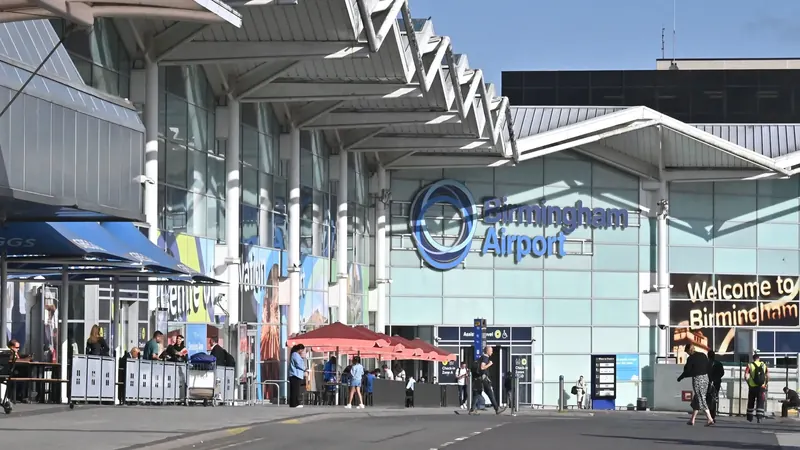
Birmingham Airport(BHX)
5.2 miles from Birmingham
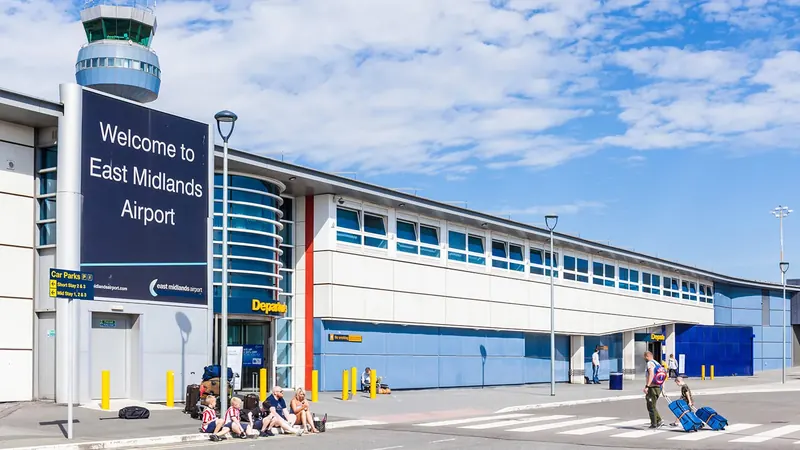
East Midlands Airport(EMA)
32.7 miles from Birmingham
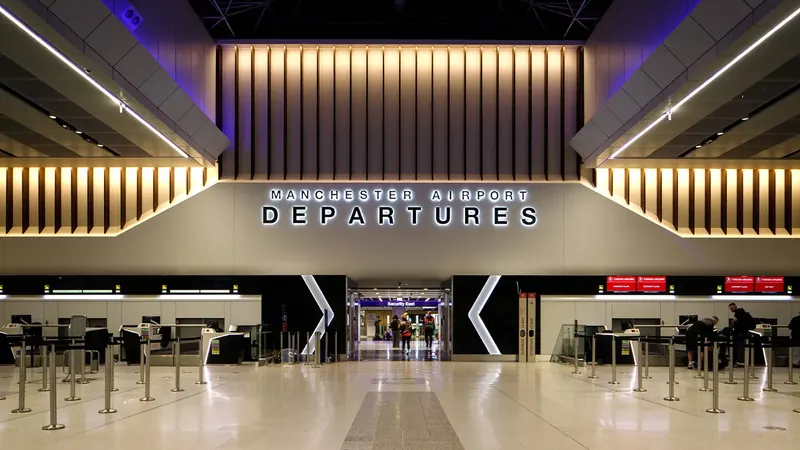
Manchester Airport(MAN)
63.2 miles from Birmingham
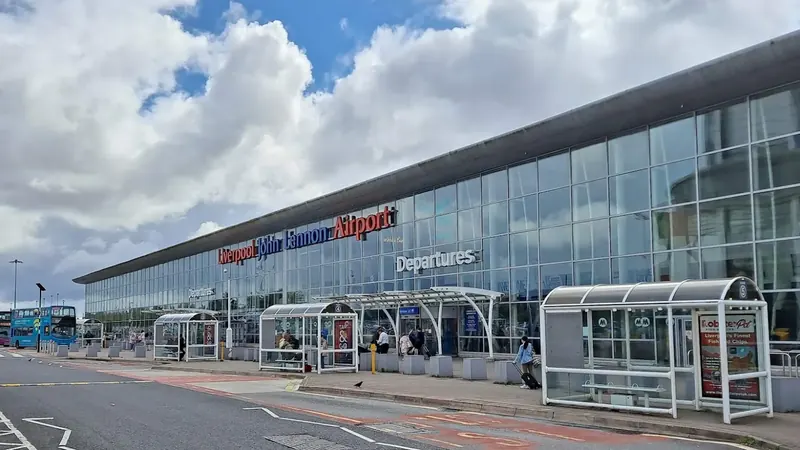
Liverpool John Lennon Airport(LPL)
71.6 miles from Birmingham
Frequently Asked Questions
Why should I use your site to find a carrier operator?+
What does this service cost for customers?+
Can I hire a vehicle without a driver?+
What can your platform offer me for my trip?+
Who is your platform designed for?+
How do I log in to my account?+
Contract transport for organisations
Daily routes and multi-month agreements for schools, businesses, and care providers

Contract transport is not one-off event hire. It's the same route, run the same way, every week. Organisations lean on it when the journeys keep repeating: daily school runs, staff shuttles between sites, commuter links, care-home appointments, hotel crew transfers, feeder buses from a car park that sits miles from the gate. Book it as a contract and you get a fixed timetable, named vehicles and an operator you can hold to real KPIs instead of chasing excuses.
Contract transport fits almost any repeating pattern. Shift workers heading to a distribution hub. NHS staff moving between hospitals and remote parking. Hotel teams on a rolling rota. Residents who need to reach appointments on time. A multi-month agreement keeps budgeting predictable and spares you the admin of rebooking the same journey forty times over, and it gives the operator room to learn the route before anyone depends on it. So the dedicated services tend to run best on a proper contract: school transport has to survive term-time peaks, staff shuttle transport lives or dies on shift timing, and corporate transport wants one governed framework rather than scattered bookings.
On 1Bus.co.uk, contract enquiries go to operators who actually run scheduled services, not firms that treat every request as a single trip. You set the timetable, the vehicle sizes, the accessibility requirements and the contract length; we match you with vetted coach and minibus partners who already know term-time peaks, shift changes and punctuality reporting. For a lot of organisations that beats running your own fleet or piecing together ad-hoc bookings every week. Tell us what you need on the contract request form (routes, passenger numbers, contract length, access requirements) and we'll put you in front of operators ready to run it long term.
Ready to compare coach hire quotes?
Tell us where you are going, how many passengers you have, and when you need to travel. Licensed operators reply with quotes you can compare side by side.