
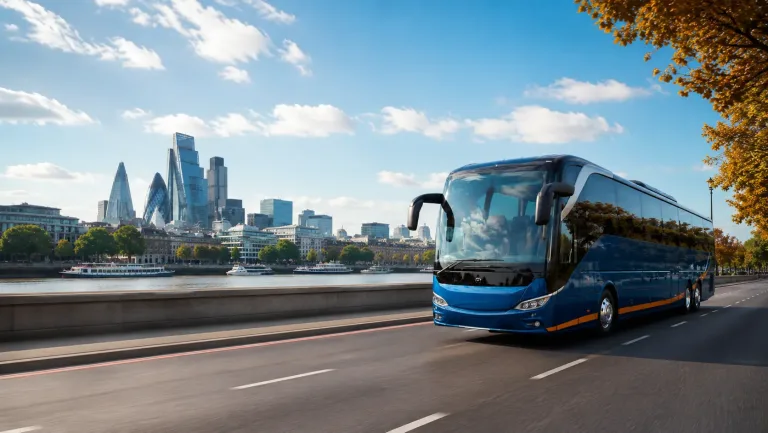
Move Audiences From Car Park to Gate Without the Gridlock
Event shuttles, venue transfers, festival coaches, sports fixtures, conference loops, and multi-pickup group moves—compare licensed UK operators in one enquiry.
How Does It Work?

Submit Your Request
Share your trip on the platform. It takes about a minute and costs nothing.

Compare Prices & Services
Operators send you their offers. Compare the prices, vehicles and reviews in one place.

Choose Your Carrier
Pick the operator that suits you and confirm. From there, they handle the journey.
Move Audiences From Car Park to Gate Without the Gridlock
Event shuttles, venue transfers, and multi-pickup group moves

Booking event transport coach and minibus hire isn't really about one vehicle on one road. It's about moving hundreds or thousands of people through a fixed pinch point inside a defined window. A summer festival, a stadium fixture, a three-day trade exhibition: the geometry stays the same. Too many ticket holders, not enough parking, and a road network that was never designed for everyone to arrive at once. A planned event shuttle absorbs that pressure by carrying passengers from remote car parks, railway stations and hotel clusters to the gate in staged waves, so the site fills steadily instead of choking its own approach roads. The transport plan often forms part of the event licence itself rather than a bolt-on, which means the shuttle timetable has to stand up in front of police and highways officers, not just look tidy on a spreadsheet. Licensed operators run these movements under O-licence conditions, with drivers who understand event radio protocols, holding points, and what happens when a crowd turns up an hour before the published timetable says it should.
Shuttle patterns vary sharply by event type, and the brief should say which one applies. Festivals spread arrivals across a weekend then compress departures into one Sunday-evening surge. Football and rugby squeeze both legs into roughly three hours around kick-off, while exhibitions and conferences produce a steady all-day flow between delegate hotels and the venue floor. Organisers running business events often pair a venue loop with dedicated corporate transport for boards, speakers and VIP guests, who move on a different clock from the main audience. Model ingress and egress separately. A fleet sized only for arrivals will strand a departing crowd on the wrong side of the county. Experienced planners specify headway, the minutes between departures, rather than a vague vehicle count, and let the operator translate that into coaches, drivers and turnaround time at each end of the route. A ten-minute headway on a twenty-minute round trip needs a very different fleet from an hourly service, and the quote should show that arithmetic in plain figures rather than a single number at the bottom of the page.
Multi-pickup group moves are the other half of event work. Supporters' clubs, choirs, university societies and hospitality parties frequently need one vehicle collecting from several postcodes before a single hard deadline. The discipline here is the passenger manifest. Every pickup point, time and headcount agreed in writing before the day, plus a named group leader the driver can ring when someone's late. Sequence the stops so the route flows one way rather than doubling back on itself, and check that each collection point offers safe, legal standing; a coach can't wait on a red route or block a neighbour's drive while a party finds its shoes. Private celebrations behave like small events too. A wedding transport plan collecting guests from two hotels and a village hall is, operationally, a three-stop shuttle with a ceremony deadline attached. Build slack between the final pickup and the venue arrival. It's the cheapest insurance an organiser can buy, because one slow farm vehicle on a B-road shouldn't get to decide whether the event starts on time.
Vehicle choice should follow the route, not the other way round. A 16-seat minibus threads tight urban approaches, historic gateways and hotel forecourts that a full-size coach simply can't turn in. 49-to-70-seat coaches bring the raw seat capacity that makes a park-and-ride loop stack up. Many programmes mix both, running coaches on the trunk leg and minibuses on the final last-mile spur into a restricted site. Accessibility belongs in the first conversation, not the last. Specify low-floor vehicles or wheelchair-accessible minibuses against real passenger needs, so no ticket holder is left watching the shuttle pull away without them. Add luggage, staging kit or instrument space to the brief where it applies, and confirm where vehicles will hold and lay over between rotations; an idling coach with nowhere legal to wait becomes a headache for stewards, residents and the traffic plan alike. Walking the route with the operator before quotes are finalised, checking bridge heights, weight limits and turning circles, costs an afternoon. Discovering on event day that the planned approach never worked costs a great deal more.
Park-and-ride schemes that keep city centres and festival sites clear
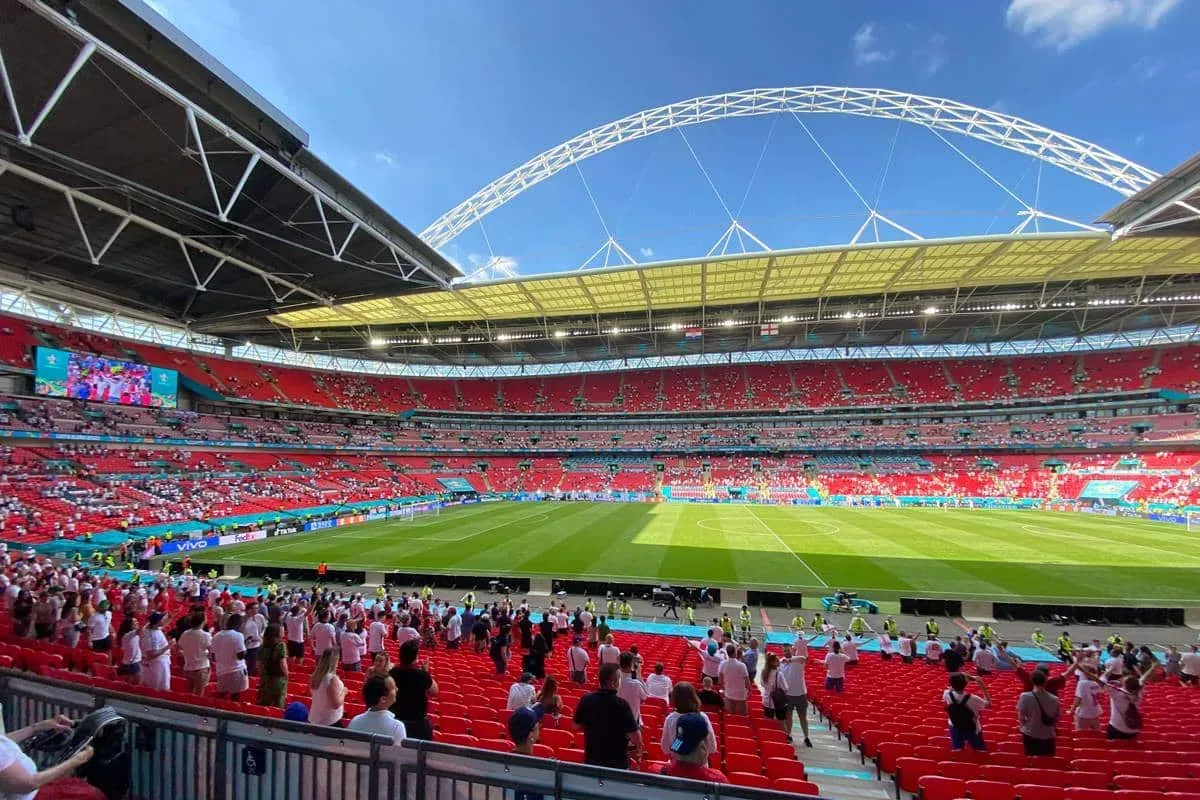
When a venue can't absorb private cars, park-and-ride is the standard mitigation that event traffic management plans put in front of councils, police and highways teams. Visitors leave vehicles on a peripheral site, perhaps a showground, a retail car park hired for the day, or a field laid with trackway, and finish the journey by coach or minibus on a fixed loop. The commercial logic is blunt. One full coach removes dozens of cars from a rural lane or a residents' parking zone, and the scheme hands organisers a single point of control over how fast the site fills. Start with honest demand numbers. Ticket sales, historical attendance and arrival-profile data should drive the calculation of seats per hour, because an undersized fleet creates the queues that end up in local headlines while an oversized one burns budget the finance director will question in the post-event review. Specify the operating window precisely: first departure, last guaranteed return, and what happens to stragglers after the published finish, so the operator prices the whole obligation rather than the optimistic version of it. Scale varies enormously. A football club might run six matchday coaches from a supermarket car park with returns timed to the final whistle, while a greenfield festival can need dozens of vehicles, overnight security on a muddy field, and a Sunday exodus that must clear the site within a few hours.
The mechanics of a good scheme are unglamorous and decisive. Boarding areas need queue barriers, clear signage and stewards who can load a full coach in the gap before the next one pulls in. Drivers need agreed radio channels and a written procedure for a breakdown mid-route with a full load. The timetable needs a spare vehicle and a spare driver priced in from the start, not improvised at midnight. The traffic management plan submitted to the council should name the transport provider, show the loop on a map, and demonstrate what the scheme does when one leg of the route closes. Put departure points where passengers actually are. Railheads and station forecourts matter as much as car parks, and events that coincide with engineering works can borrow proven practice from rail replacement services, where operators absorb displaced passengers at short notice as a matter of routine. Fly-in audiences change the shape again. International delegates and touring production crews often need timed airport transfer legs stitched into the same movement plan, with flight numbers on the manifest so a delayed arrival triggers a held vehicle rather than a missed connection. Wheelchair-accessible capacity on every rotation keeps the scheme compliant with public-sector equality duties. It also keeps it fair, which is rather the point.
Park-and-ride has to end well, too. Dispersal is where schemes get judged, because ten thousand people who arrived across eight hours may all want to leave within ninety minutes of the headline act finishing. Planners stack coaches in departure waves, hold them on hard standing near the exit gates, and publish last-bus times that stewards repeat relentlessly through the evening. Loading discipline matters more at night than it did in the morning. Tired passengers board slowly, lost-property queries multiply, and one confused queue can stall a whole lane of waiting vehicles. Overnight, coaches parked on site need security and somewhere dry for drivers to rest within legal drivers'-hours rules; multi-day events should budget for both rather than hoping. There's a reporting angle as well. Boarding counts and ticket-scan data let a promoter evidence modal shift, passenger miles moved by coach set against the counterfactual car trips, in the sustainability paperwork that licensing committees now read closely. A single-minibus link serving a village show and a fifty-coach operation clearing a city centre on New Year's Eve don't look alike on paper. The schemes that work still share one habit: the transport plan was written with the operator, in specific numbers, months before the first ticket holder parked a car.
Comparing event transport operators before tickets sell out
Event procurement runs on a compressed clock. By the time an organiser is ready to book event transport coach and minibus hire, the same weeks are already swallowed by artists, catering, security schedules and licensing conditions. Ringing operators one at a time duplicates effort and hides the differences that matter. Publishing the requirement once on 1Bus.co.uk puts routes, vehicle counts, boarding windows, pickup sequences and accessibility needs in front of licensed UK operators at the same time, and returns structured proposals that can be compared line by line. The organiser keeps every decision. Reviewing credentials, questioning assumptions, negotiating terms, awarding the work once internal sign-off completes: none of that moves anywhere. What the platform strips out is the administrative friction, the fortnight of phone tag that produces three quotes priced against three different understandings of the same job. When every bidder responds to one identical written specification, the differences that surface are real differences in capability and price, not artefacts of who happened to answer the phone first.
Comparison only works when the brief is specific, so write it the way an operator plans. State the event type and audience size, the exact operating window, and whether shuttle and park-and-ride fleets run separately or as one combined operation sharing vehicles across the day. Ask each bidder how they price dead mileage, the empty repositioning legs before and after service, along with waiting time, fuel assumptions, driver accommodation on multi-day jobs, post-event cleaning, and overnight vehicle security on site. Those are exactly the lines where two similar-looking quotes diverge once the invoices arrive. Recurring movements deserve their own line in the brief as well. An event that also needs crew and contractor runs across a build week is really buying a short-term staff shuttle alongside the public-facing fleet, and pricing the two together usually beats bolting one on later. References from comparable attendances carry more weight than a glossy fleet brochure. And a bidder who asks sharp questions about your dispersal plan is showing you, quietly, how they'll behave on the night.
Credentials sit beneath price, and they're non-negotiable. Every proposal should evidence a valid operator licence, appropriate passenger liability insurance, and maintenance records for the vehicles actually assigned to the job rather than the newest coach in the marketing photos. Events involving school groups or vulnerable adults need safeguarding arrangements and driver checks confirmed explicitly, in writing. Then test the contingency. Ask what happens when a vehicle fails an hour before first departure, and expect a named answer: a spare coach, a duty manager's mobile number, a recovery arrangement already in place. Vague reassurance isn't an answer. An operator who can describe their last on-the-night failure, and what they did about it, is usually a safer bet than one who claims never to have had one. Accommodation-heavy programmes, where audiences or crews shuttle between hotels and the venue across several days, sit close to hotel and hospitality transport, and operators experienced in that work tend to handle late-night schedule drift better than firms that only run daytime contracts.
The last discipline is institutional memory. Annual festivals, league seasons and exhibition cycles repeat, and a saved requirement profile means next year's tender starts from this year's facts instead of a blank page. Keep the post-event review honest. Boarding counts, late departures, complaints, what the stewards actually saw: feed all of it into the next brief so the specification sharpens with each cycle. Short-notice change is the other test worth planning for. When rail disruption, a ticket sell-out or a grim weather forecast shifts demand three days out, organisers who already hold structured quotes can invite revised proposals from operators who know the venue, its access constraints and its dispersal pattern, rather than starting cold with a stranger before the gates open. A one-day corporate hospitality move and a multi-day festival needing dozens of vehicles with round-the-clock dispatch call for the same habit in the end. Submit the brief once. Compare the answers properly. Appoint the operator who treats reliability as seriously as the audience does.
Our Vehicles

8 Seater Minibus
Flexible option for small groups, airport runs and luggage.

16 Seater Minibus
Perfect for medium groups and city travel.
39 Seater Midi Coach
Ideal for school trips, events, and local transport.
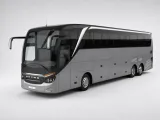
60 Seater Coach
Spacious and comfortable for long journeys and large groups.
Coach Hire and Minibus Hire with Driver

One-way or Return Transfers
Clean, well-kept vehicles for one-way or return trips. Plan a group journey in minutes with operators you can check first.

Train Station and Airport Transfers
Airport and station runs timed around your flight or train, at a price you can actually compare.

Hire Bus and Minibus per Hour
Need flexibility? Book a driver and vehicle by the hour, for any group size or occasion.

Complex Journeys
Multi-stop days, sightseeing, corporate itineraries: hire a bus or minibus with a driver and let them handle the route.
Sort your group travel in one go with 1bus.co.uk. Pick the service that fits and get quotes today.
Register NowWhy Choose 1Bus.co.uk?
Save Time
Skip the endless calls and email chains. Post your request in under a minute and let operators come to you with their best price.
Compare & Choose
Line up several quotes side by side. Weigh the price, the vehicle and the reviews, then pick the operator that actually fits the trip.
Free Service
The platform is free to use. No sign-up fee, nothing hidden. You only pay the operator once you confirm the booking.
Trusted Professionals
Operators apply to join and share their licence details before they go live. Real customer reviews help you spot the ones who turn up on time.
Friendly Support
Stuck on something? Our support team answers real questions from real people, no bot loop.
Eco-Friendly Travel
One coach takes a lot of cars off the road. Booking a group vehicle through 1bus.co.uk beats everyone driving separately.