
Group Airport Runs That Match Your Flight Times
Group airport transfers with flight tracking, meet-and-greet, and luggage capacity matched to your party—compare licensed UK operators in one enquiry.
Airport Transfer Hire by UK Airport
Select your airport below to explore dedicated coach and minibus hire pages with location-specific guidance, terminal tips, and tailored quote options.
Group Airport Runs That Match Your Flight Times
Coordinating group arrivals when every minute at the kerb counts

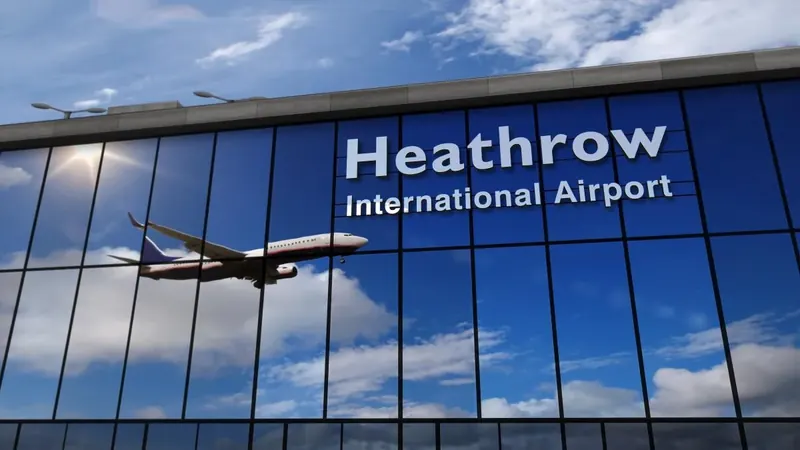
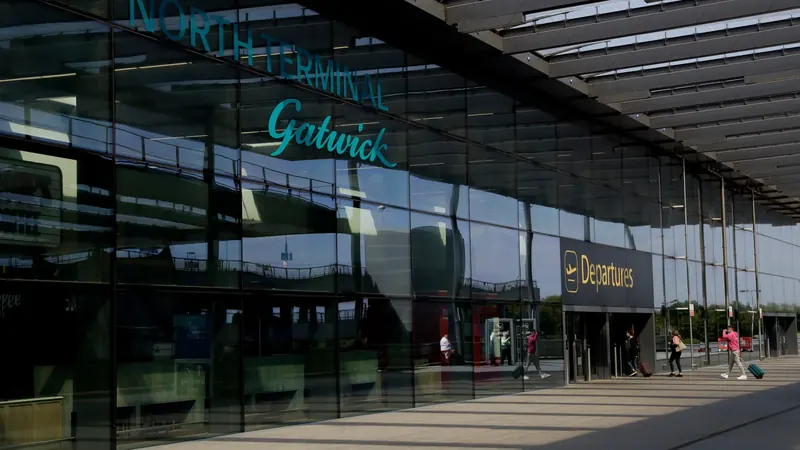
Moving a group of twelve, thirty, or seventy people to a UK airport is a different discipline from booking a taxi, and it rewards proper planning. Airport transfer coach and minibus hire puts the whole party on one vehicle, with one departure time, one luggage plan, and one driver accountable for the run. That matters most at Heathrow (LHR), where four passenger terminals spread across a sprawling site, and at Gatwick (LGW), where the North and South terminals are linked by a transit that adds minutes a late-running group does not have. Terminal-accurate drop-off is the first thing an experienced operator confirms, because delivering a wedding party to Terminal 5 when check-in closes at Terminal 2 turns a comfortable buffer into a sprint across one of Europe's busiest airports. A single coach also removes the arithmetic of splitting twenty people across five cars, five sets of parking charges, and five drivers all hoping they have read the same postcode.
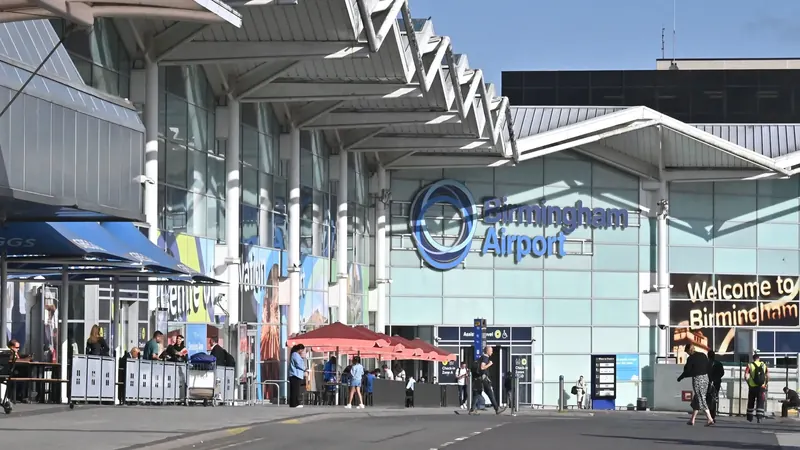
Vehicle sizing is where group airport runs succeed or fail, and luggage decides it as much as headcount does. A 16-seat minibus suits a city-break party travelling with cabin bags; a touring squad carrying ski bags, golf clubs, or exhibition kit usually needs a midi or full-size coach with a dedicated luggage hold. Brief the operator on bags per passenger rather than seats alone, so the quote reflects usable capacity instead of a vehicle that fills its seats and leaves suitcases on the pavement. Businesses flying delegations to trade shows or client meetings often pair the airport leg with wider corporate transport so one operator handles the arrival, the venue shuttles, and the return run under a single booking. The right vehicle also changes the journey itself: reclining seats and climate control matter even on a forty-minute hop, and on longer motorway legs to Manchester (MAN) or Birmingham (BHX) a planned comfort stop keeps the schedule humane rather than punishing.
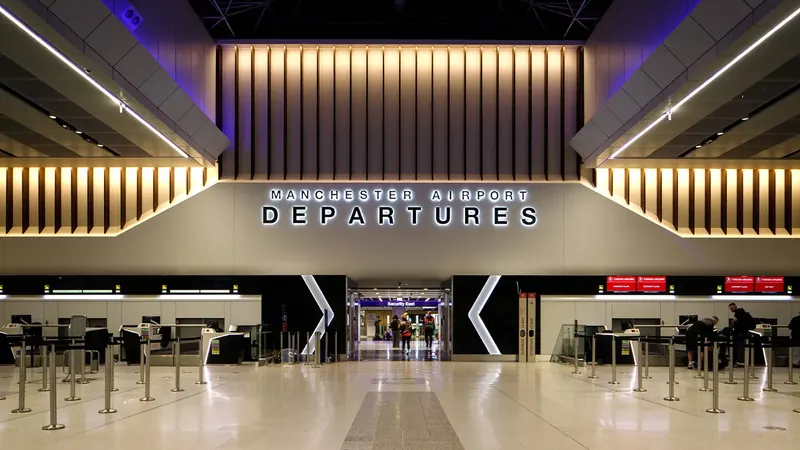
Kerbside rules vary sharply between airports, and drivers who handle airport work every week know the differences by heart. Heathrow and Gatwick direct coaches to designated coach parks and authorised set-down bays, while Manchester (MAN), with its three passenger terminals, meters drop-off access and charges for dwell time on the forecourt. A competent operator builds those constraints into the schedule rather than discovering them with a full vehicle and a closing gate. For arrivals, live flight tracking is the feature to insist on: when an inbound service lands forty minutes early or holds on the tarmac, the pick-up window moves, and the driver should move with it without a flurry of phone calls. Meet-and-greet arrangements, a named board in the arrivals hall, and a direct line between the group leader and the driver prevent the familiar failure where half the passengers wait at one exit while the vehicle circles another.
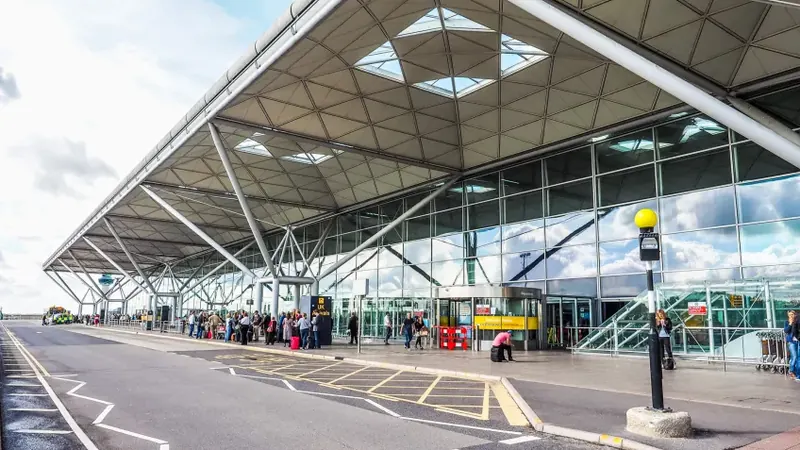
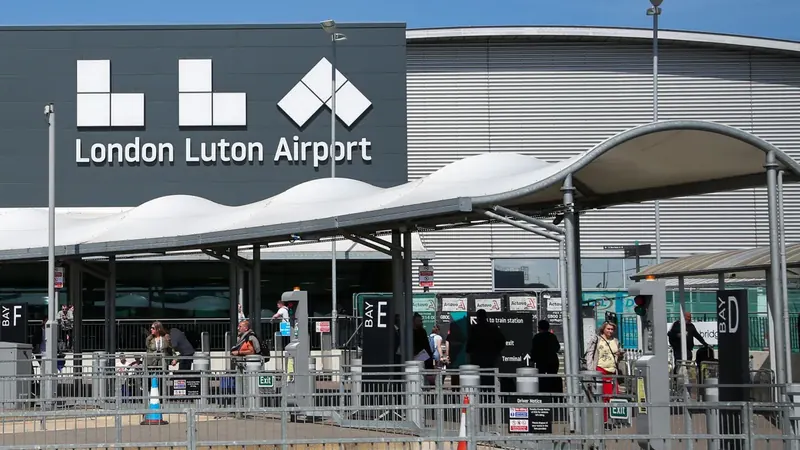
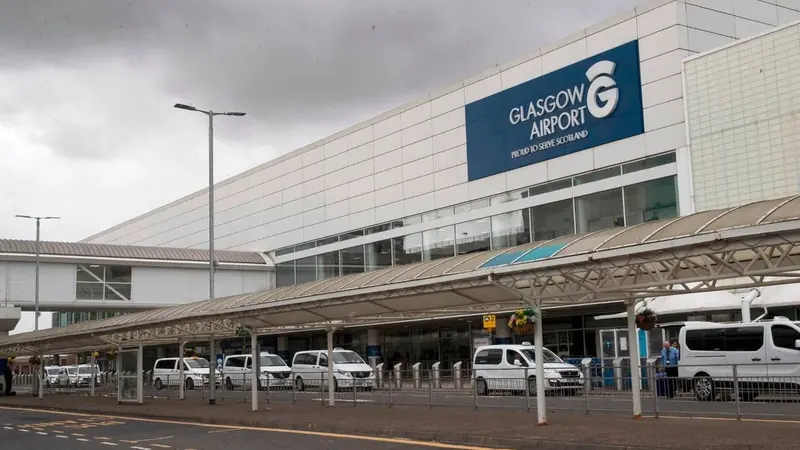
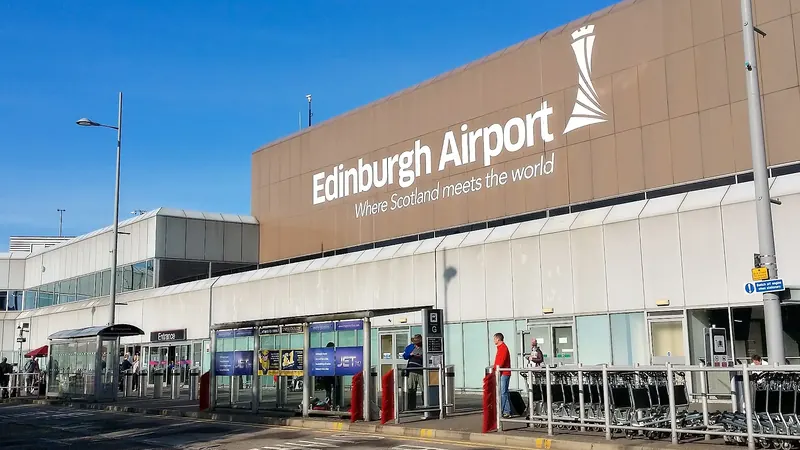
The occasions vary far more than the logistics underneath them. Wedding parties collecting overseas guests at Stansted (STN) or Luton (LTN), sports clubs flying from Edinburgh (EDI) or Glasgow (GLA) for a tournament, school groups departing on exchange visits, and extended families consolidating three households into one vehicle for a long-haul departure all rely on the same underlying service. Groups attending festivals, conferences, or matchday fixtures frequently combine the airport legs with dedicated event transport for the days between flights, keeping one supplier responsible for the whole itinerary. Whatever the occasion, the constants hold: a licensed operator, a vehicle matched to passengers and luggage, a schedule built around the flight rather than the driver's diary, and a single point of contact who actually answers the phone when the departure board changes. Get those four constants right and the airport leg stops being the part of the trip everyone worries about; get them wrong and no amount of goodwill at the gate recovers a missed check-in for a party of forty.
Flight delays, terminal changes, and luggage-heavy parties

Outbound mornings compress every risk into a two-hour window. Check-in and bag-drop deadlines are fixed, security queues stretch without warning, and one missing passenger can hold a vehicle that has no legal place to wait. Experienced operators manage this with padded pick-up schedules, a manifest agreed in advance, and a firm departure rule the group leader signs up to before the day itself. Inbound arrivals are harder still: when several flights land within twenty minutes of each other, baggage reclaim slows and a party of forty emerges in fragments over an hour. Drivers who run group airport transfers as routine work build recovery margin into the plan and keep a direct line to whoever holds the passenger list on the ground. Terminal reassignments add another layer, because a coach staged for one arrivals hall may need to reposition around the perimeter when the screens flip, and at multi-terminal hubs such as Heathrow and Manchester that move can take twenty minutes on its own. None of this is exotic; it is simply the difference between an operator who does airport work daily and one who treats it as an occasional detour from private hire, and it is exactly what a written transfer plan should demonstrate before you commit.
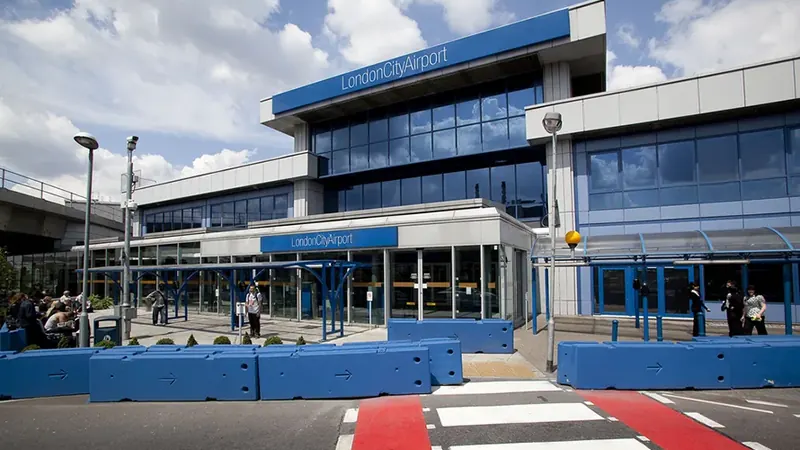
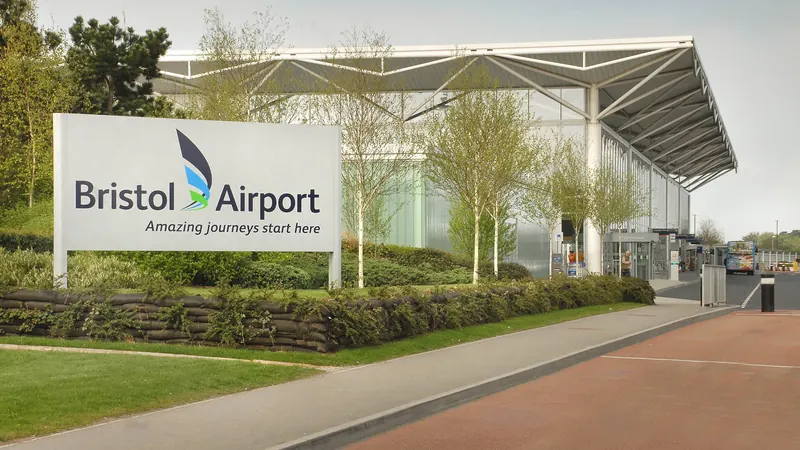
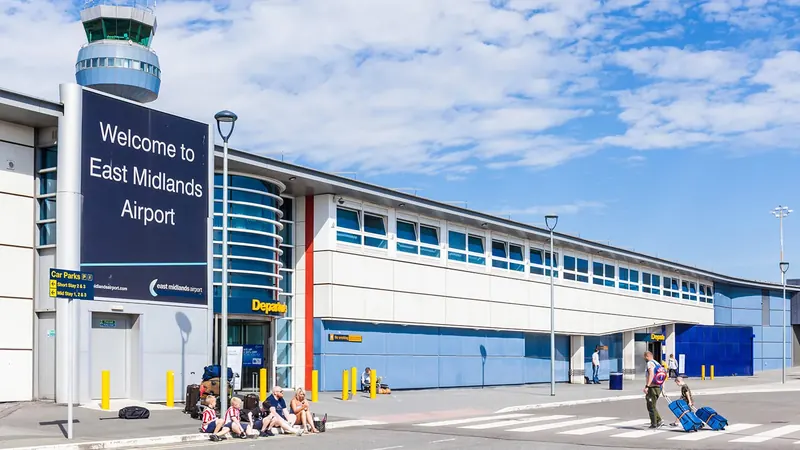
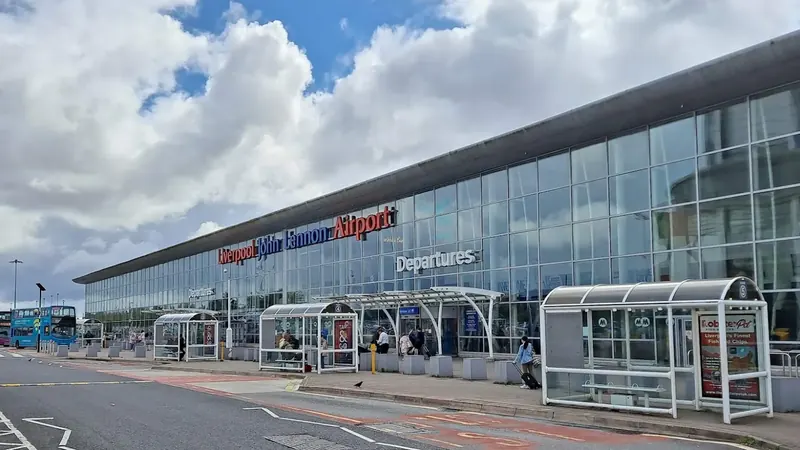
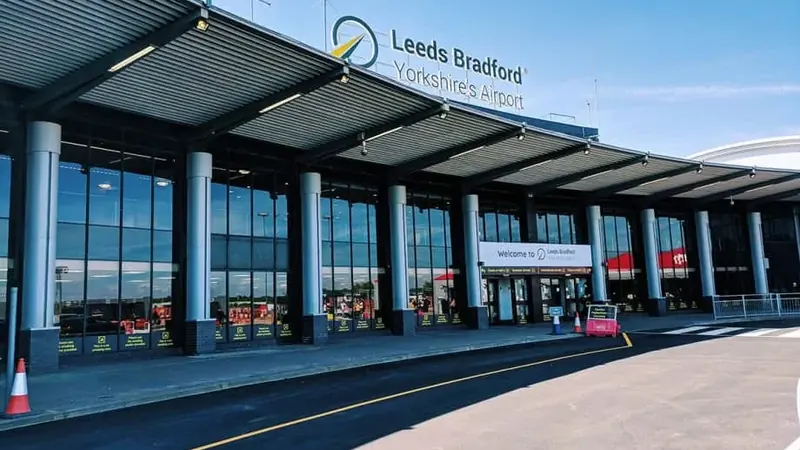
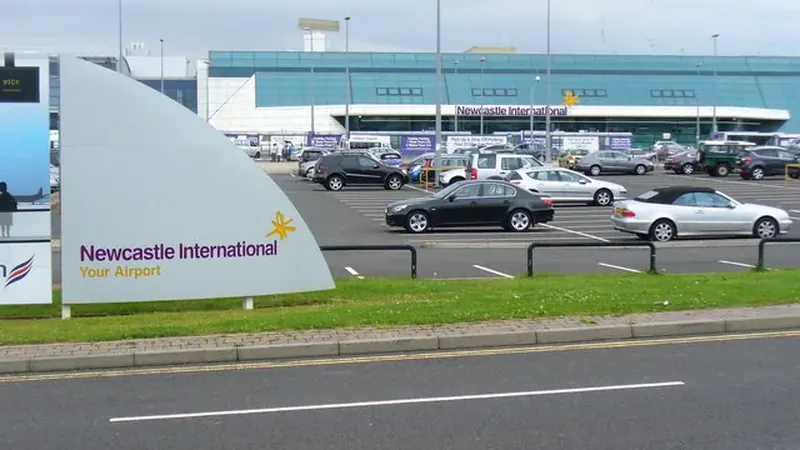
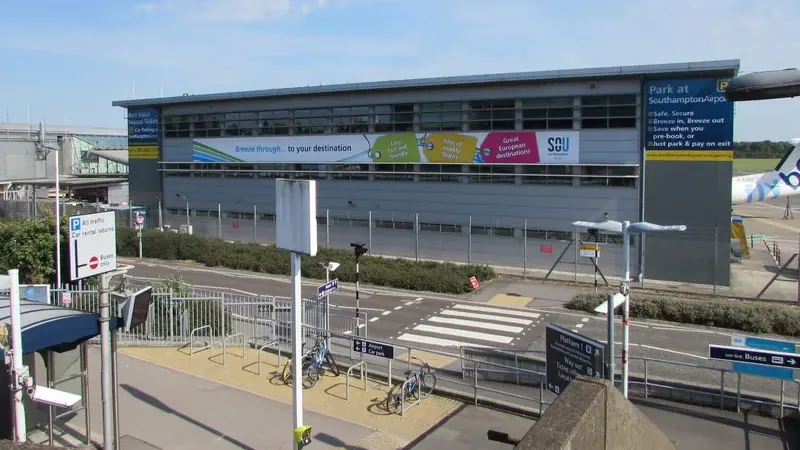
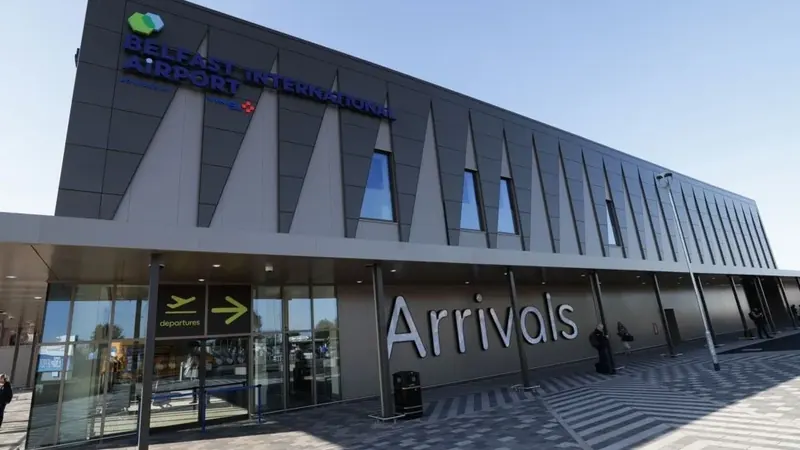
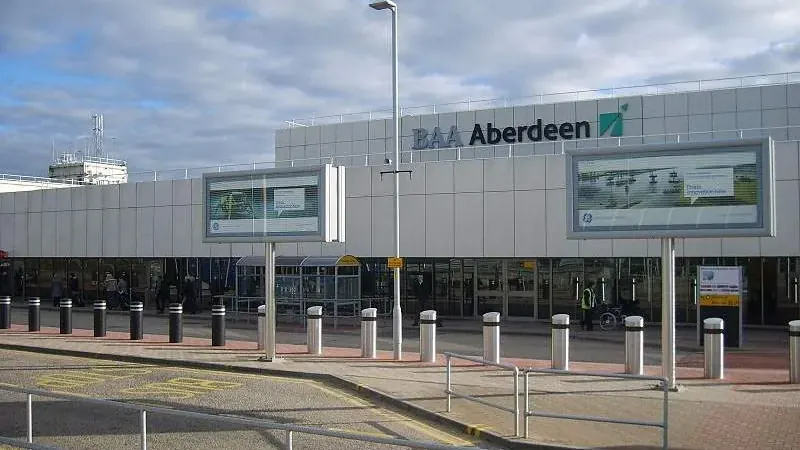
Coverage matters because groups do not only fly from London. Regional departures from Bristol (BRS), Newcastle (NCL), East Midlands (EMA), Leeds Bradford (LBA), and Liverpool John Lennon (LPL) carry the same luggage and timing pressures as the capital's hubs, while long cross-country positioning runs bring driver-hours rules into play that a short local transfer never touches. A coach collecting in the North East for a dawn departure from Luton needs its schedule checked against legal driving limits, not just the motorway forecast. Sea connections follow the same logic: cruise passengers flying into Gatwick or Heathrow before boarding at Southampton typically book a coordinated cruise terminal transfer so the flight leg and the quayside leg sit under one plan. Smaller airports bring their own quirks, from London City (LCY) with its compact Docklands forecourt to Belfast International (BFS) and Aberdeen (ABZ) serving groups that must connect onward by road. An operator quoting honestly for these runs will say where the vehicle starts its day, because a coach positioned two hundred miles from the pick-up point is a schedule risk that no low headline price can offset, however attractive the figure looks on paper when the quotes first arrive.
School and youth groups add safeguarding requirements that must be specified at quote stage, not negotiated at the kerb. DBS-checked drivers, seatbelts on every seat, clear headcount procedures at the coach doors, and a written policy for handing minors to approved adults are standard practice on dedicated school transport, and the same expectations should apply the moment the destination is an airport rather than a classroom. Ask for the operator's safeguarding statement in writing so governors and trip leaders can approve the arrangement with confidence. Accessibility deserves the same discipline: wheelchair-accessible vehicles, boarding assistance, and space for assistance dogs exist across the licensed fleet, but only if they are requested before a vehicle is assigned rather than when a ramp fails to appear at the terminal. Finally, plan the return leg while booking the outbound one. A party landing after a week away is tired, over-baggaged, and in no state to improvise; a confirmed pick-up point, a driver tracking the inbound flight, and waiting-time terms agreed in advance turn the worst hour of the trip into the easiest, and they cost nothing extra to ask about at quote stage. Groups that cover both directions in a single booking also tend to secure better pricing, because the operator can plan the vehicle's whole day around one client instead of gambling on filling the gap.
Comparing airport transfer operators without the quote chase

1Bus.co.uk exists to remove the quote chase. Instead of phoning six operators and repeating the same details each time, travel organisers publish one airport transfer brief and receive structured quotes from licensed UK coach, minibus, and van operators who actually cover the route. A complete brief names the airport and terminal, the flight numbers, the passenger count, the luggage profile per person, any child seats or accessibility needs, and whether the group wants meet-and-greet or multiple pick-up points along the way. The better the brief, the more comparable the quotes: two proposals for a 49-seat coach to Heathrow can only be judged against each other when both operators have priced the same bag count, the same waiting expectations, and the same set-down terminal. Vague enquiries produce vague numbers, and vague numbers are how a cheap-looking transfer grows a surcharge at the kerb. Ten minutes spent writing a precise requirement typically saves hours of clarification calls later, and it signals to operators that the booking is serious and well organised, which in a busy season decides whose enquiry gets answered first. The platform keeps every response in one place, so the person approving the spend can see the options side by side instead of forwarding a chain of emails between departments.
Price is only meaningful once you know what it includes. Ask every operator how waiting time is charged when a flight is delayed, whether airport drop-off charges and coach park fees sit inside the quoted figure, and what the substitution policy is if a vehicle fails on the morning of travel. Confirm the operator licence category, the insurance cover, and how driver-hours compliance is handled on long transfers, because an Edinburgh to Heathrow positioning run is not a school run with a longer postcode. References from comparable group movements say more than a glossy fleet page ever will: an operator who moved a fifty-person conference delegation through Gatwick last month can describe exactly how they staged the vehicle, met the party, and handled the one delegate whose bag missed the flight. Written terms matter for the unglamorous scenarios too, from a rolling one-hour delay to an outright cancellation, and a professional quote sets out those positions before you ask rather than after something has gone wrong. Treat any operator who cannot answer these questions in writing as a risk, however competitive the headline figure, because the cheapest transfer is rarely the one that leaves a stranded group renegotiating at midnight in an arrivals hall.
Recurring work deserves its own structure. Companies moving crews or consultants through the same hub every month usually graduate from ad-hoc bookings to a scheduled staff shuttle arrangement, which fixes the timetable, the vehicle standard, and the invoicing in one agreement instead of twelve separate transactions. One-off occasions run through the same platform without the overhead: a couple coordinating guest arrivals for a ceremony can pair their airport pick-ups with dedicated wedding transport on the day itself, keeping every journey with one accountable supplier. Either way, the closing step is the same. Set out your group size, airports, dates, and luggage, submit the requirement on 1Bus.co.uk, and compare the responses on substance rather than on who answered the phone first. The operators worth hiring treat a group's arrival and departure as a flight-critical connection, and the quality of their quote usually tells you that before their coach ever reaches the kerb. It is a fifteen-minute task that removes the least predictable part of group travel from your list, whether the flight in question leaves next month from Heathrow or at dawn on a bank holiday from a regional terminal three counties away.
How Does It Work?

Submit Your Request
Share your trip on the platform. It takes about a minute and costs nothing.

Compare Prices & Services
Operators send you their offers. Compare the prices, vehicles and reviews in one place.

Choose Your Carrier
Pick the operator that suits you and confirm. From there, they handle the journey.
Why Choose 1Bus.co.uk?
Save Time
Skip the endless calls and email chains. Post your request in under a minute and let operators come to you with their best price.
Compare & Choose
Line up several quotes side by side. Weigh the price, the vehicle and the reviews, then pick the operator that actually fits the trip.
Free Service
The platform is free to use. No sign-up fee, nothing hidden. You only pay the operator once you confirm the booking.
Trusted Professionals
Operators apply to join and share their licence details before they go live. Real customer reviews help you spot the ones who turn up on time.
Friendly Support
Stuck on something? Our support team answers real questions from real people, no bot loop.
Eco-Friendly Travel
One coach takes a lot of cars off the road. Booking a group vehicle through 1bus.co.uk beats everyone driving separately.