

Safe, Accessible Group Travel for Care and Healthcare Settings
Care home transport, healthcare group travel, accessible vehicles, day centre runs, family visit coaches, and staff shuttles—compare licensed UK operators for safe group journeys.
How Does It Work?

Submit Your Request
Share your trip on the platform. It takes about a minute and costs nothing.

Compare Prices & Services
Operators send you their offers. Compare the prices, vehicles and reviews in one place.

Choose Your Carrier
Pick the operator that suits you and confirm. From there, they handle the journey.
Safe, Accessible Group Travel for Care and Healthcare Settings
Care home transport that protects dignity on every journey
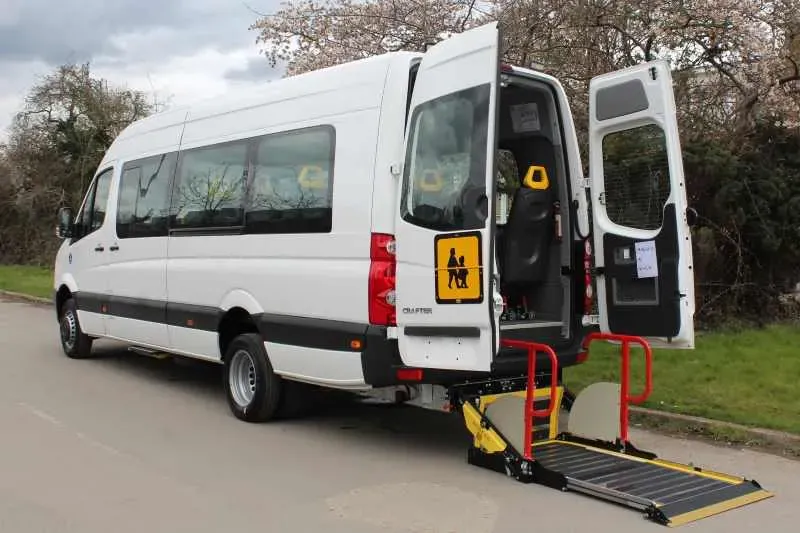
A garden centre trip sounds simple. It rarely is. Somebody has to match the vehicle to a passenger list that includes two wheelchair users, a resident who gets anxious on steps, and an escort carrying medication for the whole group. That's why activities coordinators and registered managers treat healthcare and care transport coach and minibus hire as part of the care plan itself rather than an admin chore. When the vehicle is dependable and sized honestly, outings grow: church services, seaside lunches, birthday teas with relatives who can't drive over themselves. When it isn't, the trip shrinks to whoever fits in one car, and the residents who most need social contact stay behind. A good afternoon is usually decided days before the coach arrives, in the quality of the booking. A distressing one starts there too, with a rushed kerbside scramble nobody planned for.
Dignity hides in small details. A driver who waits while someone settles into a seat. A saloon warmed up before winter boarding rather than after it. Music kept low so conversation carries, and comfort stops written into the schedule instead of improvised at a motorway services. Passengers who are already nervous about leaving familiar surroundings remember how boarding felt long after they've forgotten the destination, and distress can surface in behaviour for days afterwards. Inspectors ask how a home supports community links; outings cancelled because the bus never turned up sit awkwardly against the wellbeing records staff work hard to keep. So picking an operator with real experience of elderly and cognitively impaired passengers is a safeguarding call as much as a logistics one, and it deserves the same scrutiny as any other contracted service.
Start vehicle choice with an honest headcount. Eight residents and two escorts off to the knitting group fit a 16-seat accessible minibus. A day centre cohort of twenty-five travels better in a midi coach. A whole-home summer excursion can justify a 49-seat coach with the courier seat held back for the lead carer. One caution: each secured wheelchair position typically replaces several fixed seats, so declare the mobility mix before you ask for prices, not after the quote lands. Homes running seasonal outings alongside a weekly programme often fold this planning into their day trips and excursions arrangements, so resident travel sits under one coordinated brief rather than a scatter of separate phone calls. If two sizes both look plausible, take the bigger one. An empty seat costs pennies; an overcrowded bus costs the outing.
Briefing beats assuming. Tell operators the usual group size, which residents need one-to-one support, how dementia behaviours show up at boarding, and whether staff ride as ordinary passengers or as named escorts with defined duties. Agree the handover with the nurse on duty. Confirm who carries medication and the emergency contact sheets. Set a realistic dwell time at every collection point, because failed trips are caused by unstated assumptions far more often than by traffic, and a ten-minute planning call heads off most of them. Written confirmation of the driver licence category and DBS status should sit in the home's records before the first wheel turns, next to the vehicle registration and the operator's insurance details.
Regular social programmes run better on standing weekly bookings than on ad-hoc calls. An operator who sees the Tuesday memory café and the Thursday garden centre as repeating work prices it fairly and sends familiar drivers, and that continuity counts when a passenger recognises the same face at the door each fortnight. The manager of a 40-bed residential home and the coordinator of a small supported-living cluster face the same headache at different scales: quotes that never arrive, and no paper trail when they finally do. Comparing structured proposals through 1Bus.co.uk gives inspectors and commissioners visible due diligence while sparing staff weeks of chasing. One clear brief. Several licensed operators answering identical requirements. A documented decision at the end of it. Residents notice the difference, even though they never see the paperwork behind it.
Accessible minibuses, day centre runs and medical appointment travel
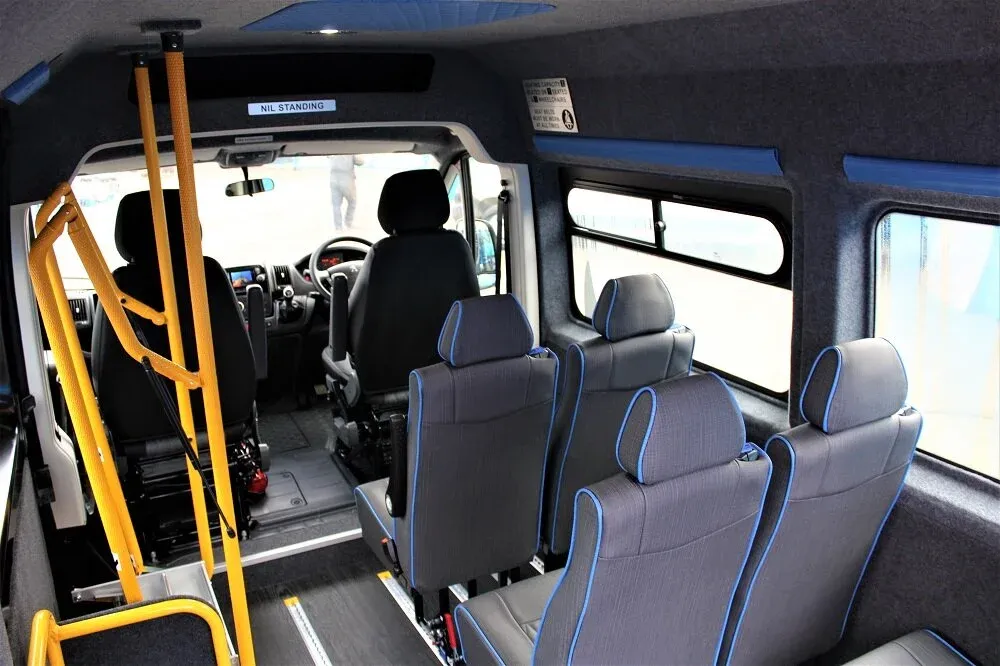
Put the accessibility specification in writing before any quote is accepted. Not after. Ask for lift-equipped minibuses or low-floor entry, secured wheelchair restraint systems, step-free boarding at both ends, and PSVAR-compliant layouts where contract terms or public funding demand them. Then get specific about people. How many passengers travel seated in their own wheelchairs? How many transfer to a fixed seat? How many just need extra time and a handrail? That mobility profile decides which vehicles are suitable far more than the raw headcount does. Being explicit lets operators without the right assets rule themselves out at quoting stage, instead of arriving with a coach that can't deploy its ramp outside a terraced-house collection point. Photographs help too. A picture of the awkward gateway, the dropped kerb or the narrow drive tells a driver more than a paragraph of directions, and a named contact at the home who knows every passenger keeps boarding calm and unhurried. When the specification is honest, operators respond with genuinely suitable vehicles and realistic pricing, and the first journey feels routine rather than experimental, which is exactly how vulnerable passengers need it to feel. It protects the driver as well; they arrive knowing the job instead of discovering it at the kerb.
Day centre runs link homes, community hubs and activity venues on timetables that have to respect medication rounds, personal care schedules and mealtimes. A morning loop might collect from six or seven addresses before reaching the centre, so routing needs realistic dwell times at every stop, not optimistic satnav estimates that leave frail passengers waiting at the window in their coats. The afternoon return demands the same discipline in reverse: escorts confirm each passenger is handed to a named person, never simply dropped at a gate. These journeys repeat daily or weekly across the whole calendar, which is why they suit formal contract transport arrangements with agreed service levels, holiday schedules and review points rather than a fresh negotiation every Monday morning. A written contract also pins down escort arrangements, vehicle standards and cancellation terms, so a driver shortage at the depot becomes the operator's documented problem, not your morning crisis. Commissioners increasingly expect that paper trail. And route continuity matters in its own right: the same driver, the same order of pick-ups, week after week, measurably reduces distress for passengers who lean on routine to feel safe. Over a full year that consistency is worth more than any single discount, though few spreadsheets have a column for it.
Hospital and clinic appointments bring hard deadlines that social outings never face. Dialysis slots don't wait. Neither do oncology reviews, orthopaedic follow-ups or memory-clinic assessments, so build journey buffers into every schedule, agree in advance what happens when a clinic overruns, and confirm escort cover for anyone who can't manage a reception desk alone. One-off appointment legs often sit beside weekly social trips inside the same arrangement, and operators who know healthcare calendars flex this call-off work without treating every hospital run as a premium emergency. Family occasions deserve equal care. Coaches bringing relatives to open days, anniversary teas and memorial services need accessible boarding, drop-off points close to the entrance and a driver who understands that an emotional afternoon is not a standard commuter run. Publish the return time, the walking distance from the coach bay and a contact number, and families stop ringing the home every hour for reassurance. Larger gatherings, a summer fete or a centenary celebration say, borrow their disciplines from professional event transport: staggered arrivals, marshalled parking and one named coordinator on the ground who owns the plan from first pick-up to last drop-off. The same pattern holds across every category of healthcare journey. Describe the requirement clearly and the day largely runs itself; leave it vague and the phone never stops.
Staff shuttles, safeguarding plans and choosing the right operator
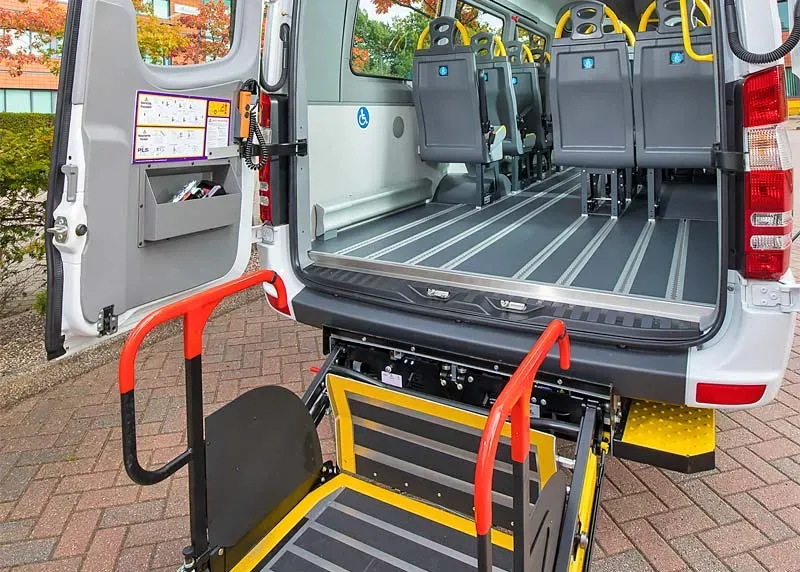
Safe group travel in healthcare settings is planned, not lucky. A proper risk assessment names the operator, the vehicle registration, the driver DBS status and the escalation route if a passenger becomes unwell mid-journey. Headcounts at the coach door, emergency contact sheets copied to the duty office, a breakdown plan that never leaves vulnerable people waiting on a hard shoulder: all of it belongs in the pre-trip briefing, none of it improvised on the day. Treat the journey as an extension of the care environment, with the same safeguarding standards and the same record-keeping. Operators who work regularly with homes and trusts expect these questions and answer them in writing. The ones who bristle have told you something useful before any money changes hands. A short checklist agreed once, then reused for every journey, keeps the standard consistent even when the usual coordinator is on leave.
Staff shuttles solve a different problem from resident outings. Where wards, satellite clinics and parking sit miles apart, a minibus looping between a main home, a day centre and an outreach clinic cuts ad-hoc taxi bills and stops tired staff arriving late for handover. Shift patterns can span early medication rounds through to late evening social programmes, so share the full rota when requesting quotes; operators price a staff shuttle service far more accurately from peak load data than from an average headcount. A provider group running several homes across one county usually does better with a single shuttle contract, defined stops and fixed times than with a patchwork of mileage claims and pool-car bookings that nobody ever audits. The saving rarely shows up as one big number on a report. It shows up as quieter mornings and handovers that start on time.
Trust outreach, vaccination drives and multi-site care groups need operators who understand infection-control expectations, easy-clean interiors and the difference between clinically exhausted staff and ordinary commuters. Presentation counts when a coach pulls up at a hospital entrance in full view of patients, families and inspectors, so ask what condition vehicles arrive in and how they're cleaned between duties. Programmes moving administrative and management teams between board meetings, conferences and training days sit closer to corporate transport in character, and pricing improves when each strand of work is described in its own terms rather than lumped into one vague miscellaneous requirement. Clear separation keeps invoices auditable too, which finance teams and contract commissioners will quietly thank you for.
Comparing quotes through 1Bus.co.uk replaces days of cold-calling with one structured brief. Set out resident or patient profiles, the proportion of wheelchair users, regular destinations, appointment call-off needs and any shuttle routes, then let licensed operators respond against identical requirements. Push bidders on driver training with elderly and cognitively impaired passengers, on dementia-friendly communication, and on references from other homes or day centres rather than only schools and factory contracts. Then look past the headline price. What are the cancellation terms? What's the escort policy? How does the operator handle a vehicle fault an hour before departure? The cheapest quote that fails on a dialysis morning is the most expensive decision a coordinator makes all year. Two or three carefully checked responses beat ten glossy brochures.
Submit your healthcare and care transport requirement on 1Bus.co.uk, covering care home outings, accessible day centre runs, appointment legs, family visit coaches or inter-site staff shuttles, and compare the responses side by side before committing. A clear brief attracts serious, compliant operators and quietly filters out the rest, while the documented comparison gives commissioners the audit trail they keep asking for. Get the choice right and transport stops being a recurring anxiety; it becomes quiet infrastructure, the sort nobody mentions because nothing goes wrong. Remember that vulnerable passengers get one version of today's outing and no rerun. Appoint an operator who treats safe, dignified group travel as the whole job rather than a mileage line on a spreadsheet, start with the next journey on the calendar, and build the relationship from there.
Our Vehicles

8 Seater Minibus
Flexible option for small groups, airport runs and luggage.

16 Seater Minibus
Perfect for medium groups and city travel.

39 Seater Midi Coach
Ideal for school trips, events, and local transport.

60 Seater Coach
Spacious and comfortable for long journeys and large groups.
Coach Hire and Minibus Hire with Driver

One-way or Return Transfers
Clean, well-kept vehicles for one-way or return trips. Plan a group journey in minutes with operators you can check first.

Train Station and Airport Transfers
Airport and station runs timed around your flight or train, at a price you can actually compare.

Hire Bus and Minibus per Hour
Need flexibility? Book a driver and vehicle by the hour, for any group size or occasion.

Complex Journeys
Multi-stop days, sightseeing, corporate itineraries: hire a bus or minibus with a driver and let them handle the route.
Sort your group travel in one go with 1bus.co.uk. Pick the service that fits and get quotes today.
Register NowWhy Choose 1Bus.co.uk?
Save Time
Skip the endless calls and email chains. Post your request in under a minute and let operators come to you with their best price.
Compare & Choose
Line up several quotes side by side. Weigh the price, the vehicle and the reviews, then pick the operator that actually fits the trip.
Free Service
The platform is free to use. No sign-up fee, nothing hidden. You only pay the operator once you confirm the booking.
Trusted Professionals
Operators apply to join and share their licence details before they go live. Real customer reviews help you spot the ones who turn up on time.
Friendly Support
Stuck on something? Our support team answers real questions from real people, no bot loop.
Eco-Friendly Travel
One coach takes a lot of cars off the road. Booking a group vehicle through 1bus.co.uk beats everyone driving separately.