
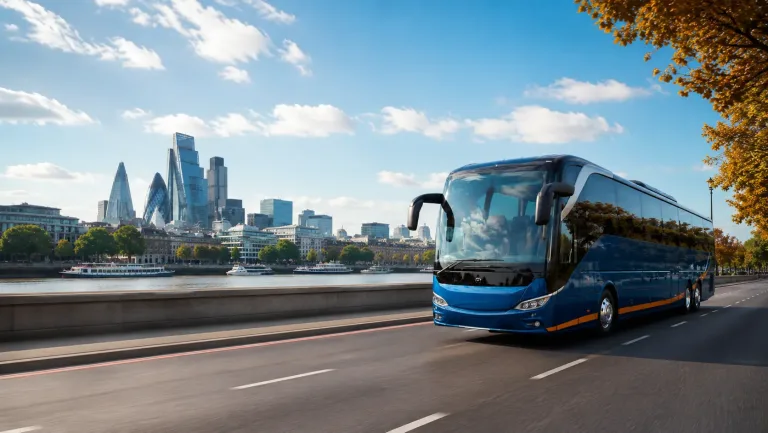
Business Transport That Works Like Your Operations Team
One enquiry for conference coaches, daily office commutes, business park shuttles, executive group travel, and client-facing journeys—compare licensed UK operators without the procurement chase.
How Does It Work?

Submit Your Request
Share your trip on the platform. It takes about a minute and costs nothing.

Compare Prices & Services
Operators send you their offers. Compare the prices, vehicles and reviews in one place.

Choose Your Carrier
Pick the operator that suits you and confirm. From there, they handle the journey.
Business Transport That Works Like Your Operations Team
Conference, corporate event, and client journey transport that protects your reputation
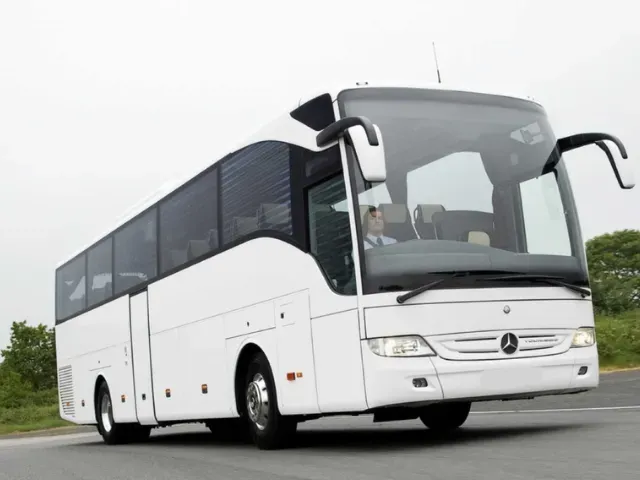
Corporate transport gets judged at the kerb. Long before anyone reads a slide, delegates have noticed whether the coach was waiting at the right entrance and whether the driver knew the venue's service road before the timetable met morning traffic. Nobody thanks you for a smooth arrival. They remember the rough ones. Corporate transport coach and minibus hire through 1Bus exists to take that risk off the facilities managers, executive assistants and travel coordinators who actually carry it, because they're measured on how the programme runs, not on how many calls it took to arrange. One enquiry reaches licensed UK operators who quote against your real brief: headcounts, luggage space for exhibition kit, venue access windows, and a contingency plan for the speaker whose flight lands forty minutes late. Conference days rarely fit one vehicle class. A plenary session might need full-size coaches running from a city-centre hotel while the breakout dinners suit smaller executive minibuses that can cope with a narrow approach, so brief both at the outset and the quotes will reflect the day you're actually running rather than a generic shuttle repriced for business use. For multi-day programmes with staging, rehearsals and evening functions, folding coach movements into wider event transport planning keeps every journey on one run sheet instead of five supplier spreadsheets, and gives the operator a fighting chance of spotting a clash before it happens.
An AGM is not a conference. Neither is a product launch, and an incentive day answers to different rules again. What they share is a clock. Board members and shareholders move on a fixed schedule; press and partners arrive in waves; a sales team will talk about the journey almost as much as the destination. What attendees remember on the day was decided weeks earlier, in the brief. Say what dress standard you expect from drivers. Say whether vehicles should carry branded signage or stay deliberately plain for discretion, and spell out how boarding should work when directors and delegates share a departure point. Ask, too, how last-minute headcount changes get handled, since a well-run operator will explain substitution terms up front rather than repricing the whole day at short notice. Where an event finishes at a hotel, perhaps a gala dinner, an awards night or a residential leadership course, aligning coaches with hotel and hospitality transport arrangements avoids the classic failure: guests checked in at one property while their luggage is still travelling to another. Accessibility requirements belong in the first email, not the last. Wheelchair-accessible vehicles, step-free boarding and reserved seating near the doors are straightforward when planned and painful when improvised on the morning itself.
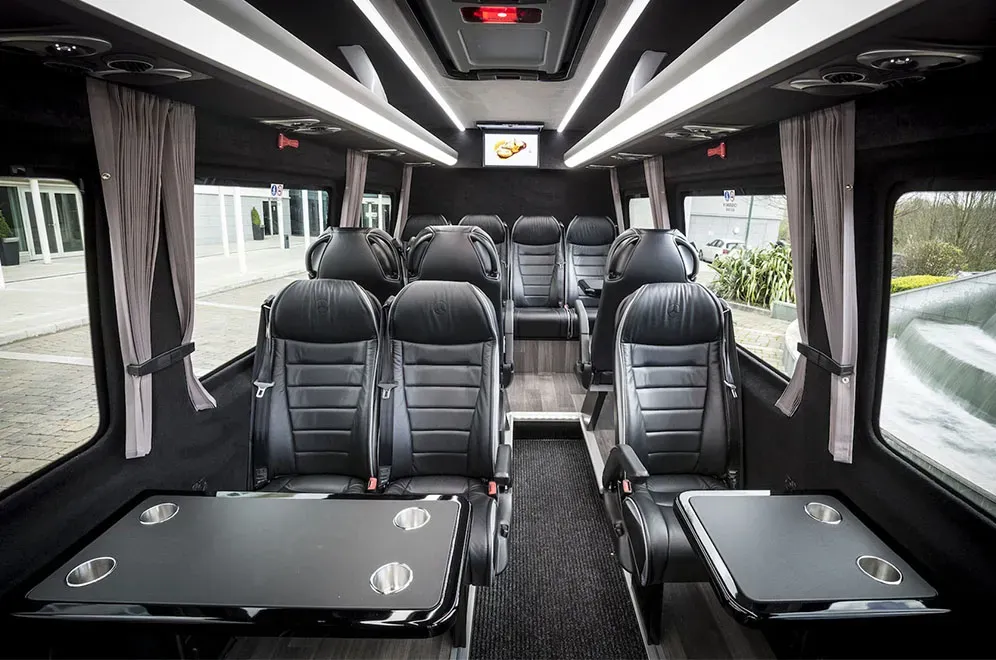
Client-facing journeys carry the highest stakes of all. A prospect being driven to a site visit starts forming a view of your firm at the kerbside; an executive-specification minibus with a properly briefed driver says one thing, a late and cramped people carrier says quite another. Roadshows compound the effect. Same senior partners, same pitch, four cities in three days, which is why reliability across every leg counts for more than one good first morning. Think hard about what the interior has to support. Table seating for working between meetings? Power for laptops, room for sample cases, acoustics quiet enough for a confidential call? Put it all in writing before anyone quotes. Discretion is a legitimate line in that brief too; unbranded vehicles and drivers who understand client confidentiality are normal requests in corporate work, not exotic ones. For hospitality fixtures such as race days, rugby internationals and supplier dinners, the return journey is the one guests remember, so agree waiting arrangements and a named driver contact before anyone raises a glass. Comparing quotes on 1Bus lets you weigh vehicle standard, operator experience and price against one written brief, which is a far firmer basis for a decision than going with whichever supplier happened to answer the phone first.
Business travel, executive airport runs, and shuttles between offices and cities
Day-to-day business travel has none of the ceremony and all of the complexity. Project teams rotate between head office, regional sites, training centres and client premises on schedules that shift with deadlines rather than calendars. A Tuesday workshop in Birmingham, then Bristol on Wednesday for a leadership session; that sort of pattern needs an operator who plans driver hours legally, positions the vehicle the night before for a tight morning departure, and picks up the phone quickly when the plan moves. Shared coach and minibus hire for business travel beats a fleet of separate cars on simple arithmetic. Everyone travels on the same schedule. The journey becomes usable working time instead of individual driving. And the organisation carries one booking rather than a dozen expense claims. For recurring inter-site moves, ask operators to quote the pattern itself, every Tuesday for a quarter, say, or the first week of each month, because regular work is usually priced differently from one-off hire, and a familiar driver who already knows the route and the site security process is worth at least as much as the rate. Site access requirements go in writing from the start; gate procedures, parking allocations and driver induction rules for industrial premises all take far longer to sort out on the morning than they do in the brief.
Airport runs are the sharpest test of corporate transport, because the cost of failure is a missed flight. Build the schedule backwards from check-in and bag-drop deadlines, not from when the office usually opens, and add margin for the motorway's bad days rather than its good ones. Group airport transfers put a whole team on one vehicle with luggage handled once, which is calmer and far simpler to administer than a convoy of cars trickling in across a forty-minute window. Inbound matters just as much. Visiting executives, international partners, a candidate flying in for a final interview: confirm the operator offers flight monitoring and a sensible waiting policy, since arrivals rarely land to the minute and the gap between a driver who tracked the delay and one who gave up and left is the gap between a good first impression and an apology email. Meet-and-greet arrangements carry more weight in corporate work than in leisure travel. A named board at arrivals. A pickup point agreed in advance, and a driver number shared with the travelling party before wheels-up. Early departures and late arrivals should be priced transparently too, so ask how unsociable-hours work is quoted and the invoice will match the estimate instead of ambushing the budget holder at month end.
Then there's the repeated journey: staff to work, every day, on time. Offices that relocate beyond walking distance from a station, business parks with thin bus routes, shift patterns public transport was never designed around. All of it pushes employers toward dedicated staff shuttle transport between transport hubs and the workplace. A shuttle is a different commercial animal from ad-hoc hire, built on fixed timetables, regular drivers and term or annual pricing, and it earns its budget line through recruitment and retention; an advertised, reliable link to the office widens the pool of people who can realistically take the job in the first place. Start small if you're unsure. A four-week pilot on a single route generates real ridership data before anyone commits to a year. For workforces on rotating shifts, brief the pattern honestly, including the unpopular legs, because the 05:30 pickup and the 22:15 return are precisely the journeys staff can't make any other way, and covering them consistently is what makes the scheme credible. Survey staff postcodes before drawing routes. The best shuttle map follows where people actually live, not where the planner assumes they do, and utilisation is the figure that decides whether the scheme survives its first budget review.
Vehicles, planning, and pricing guidance for corporate group travel
Vehicle choice is the first budgeting decision, and it shapes everything after it. 8 and 16-seat minibuses suit board movements, project teams and executive pickups. 29 and 36-seat midi coaches handle departmental away days and mid-size delegations, while full-size coaches of 49 to around 70 seats move whole offices, conference cohorts and event workforces in one vehicle. Executive specification is a separate question from size. Leather seating, tables, on-board power, Wi-Fi, air conditioning and a PA system can appear on a minibus or a full coach alike, so ask for the spec rather than assuming the biggest vehicle is the smartest one. The honest question isn't what's the plushest vehicle available but what the journey has to achieve; a forty-minute site transfer and a three-hour working run between cities want quite different things.
Lead time is the cheapest upgrade you can buy. Enquire three to six weeks ahead and operators can allocate the right vehicle rather than the last one left unallocated, and you get the breathing room to compare quotes properly instead of grabbing the first available. Build the brief around the things drivers can't guess: venue access windows, service-road entrances, height barriers on the approach, security and induction procedures, and where the vehicle can legally wait between legs. Share a named on-the-day contact on both sides and agree how changes travel; a driver's mobile number circulated to the organiser beats messages relayed through a booking office at 07:40. On complex days, a short route rehearsal conversation with the operator surfaces problems while they're still free to fix.
Pricing follows the same inputs everywhere, which is exactly what makes quotes comparable once the brief is fixed. Expect distance, duration, driver hours (including whether the day legally needs a second driver), dead mileage back to the operator's base, waiting time between legs, parking, tolls and seasonality to shape the figure. Unsociable hours usually appear as their own line, and it's better to see that in the quote than to meet it on the invoice. Recurring work changes the arithmetic altogether. Shuttles, repeated inter-site moves and standing weekly bookings normally run as contract transport with term pricing and service-level commitments, which rewards committing to a pattern rather than rebooking journey by journey. Fix review points into any longer arrangement so the service keeps earning its renewal.
Compliance is the part nobody notices until it fails. Before the day, confirm in writing that the operator holds a valid PSV operator licence, carries appropriate passenger insurance, and supplies drivers with the correct entitlements for the vehicle class involved. Programmes with international visitors or senior executives on board deserve a question about driver briefing and confidentiality practice, asked as routinely as the question about price. Accessibility sits here too, part obligation and part plain courtesy. Wheelchair-accessible vehicles, step-free boarding and priority seating should be specified at enquiry stage so operators quote vehicles that genuinely meet the need instead of improvising on the morning. And keep the paperwork with the booking; confirmation, itinerary and driver contact stored in one place saves the 06:50 scramble.
Not every corporate journey is a commute or a conference. Incentive days, team offsites and reward trips sit closer to leisure than logistics. A vineyard tour for the sales team, or a coastal day out for a department that hit its number: these borrow their planning logic from day trips and excursions, meaning a relaxed outbound schedule, a firm return time, and a driver who stays with the group throughout. Whatever the occasion, the process on 1Bus stays deliberately uniform. One enquiry describing group size, dates, pickup points and purpose reaches licensed operators who quote against it, and you compare vehicle standard, operator experience and price side by side, on your own timetable. The written brief you started with is what keeps every quote honest.
Corporate contract transport quotes
Commuter links and workplace shuttles under a single, governed framework

Contract transport is not one-off event hire. It's the same route, run the same way, every week. Organisations lean on it when the journeys keep repeating: daily school runs, staff shuttles between sites, commuter links, care-home appointments, hotel crew transfers, feeder buses from a car park that sits miles from the gate. Book it as a contract and you get a fixed timetable, named vehicles and an operator you can hold to real KPIs instead of chasing excuses.
Contract transport fits almost any repeating pattern. Shift workers heading to a distribution hub. NHS staff moving between hospitals and remote parking. Hotel teams on a rolling rota. Residents who need to reach appointments on time. A multi-month agreement keeps budgeting predictable and spares you the admin of rebooking the same journey forty times over, and it gives the operator room to learn the route before anyone depends on it. So the dedicated services tend to run best on a proper contract: school transport has to survive term-time peaks, staff shuttle transport lives or dies on shift timing, and corporate transport wants one governed framework rather than scattered bookings.
On 1Bus.co.uk, contract enquiries go to operators who actually run scheduled services, not firms that treat every request as a single trip. You set the timetable, the vehicle sizes, the accessibility requirements and the contract length; we match you with vetted coach and minibus partners who already know term-time peaks, shift changes and punctuality reporting. For a lot of organisations that beats running your own fleet or piecing together ad-hoc bookings every week. Tell us what you need on the contract request form (routes, passenger numbers, contract length, access requirements) and we'll put you in front of operators ready to run it long term.
Our Vehicles

8 Seater Minibus
Flexible option for small groups, airport runs and luggage.

16 Seater Minibus
Perfect for medium groups and city travel.
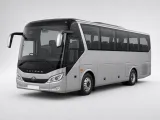
39 Seater Midi Coach
Ideal for school trips, events, and local transport.
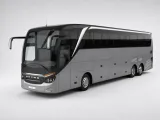
60 Seater Coach
Spacious and comfortable for long journeys and large groups.
Coach Hire and Minibus Hire with Driver

One-way or Return Transfers
Clean, well-kept vehicles for one-way or return trips. Plan a group journey in minutes with operators you can check first.

Train Station and Airport Transfers
Airport and station runs timed around your flight or train, at a price you can actually compare.

Hire Bus and Minibus per Hour
Need flexibility? Book a driver and vehicle by the hour, for any group size or occasion.

Complex Journeys
Multi-stop days, sightseeing, corporate itineraries: hire a bus or minibus with a driver and let them handle the route.
Sort your group travel in one go with 1bus.co.uk. Pick the service that fits and get quotes today.
Register NowWhy Choose 1Bus.co.uk?
Save Time
Skip the endless calls and email chains. Post your request in under a minute and let operators come to you with their best price.
Compare & Choose
Line up several quotes side by side. Weigh the price, the vehicle and the reviews, then pick the operator that actually fits the trip.
Free Service
The platform is free to use. No sign-up fee, nothing hidden. You only pay the operator once you confirm the booking.
Trusted Professionals
Operators apply to join and share their licence details before they go live. Real customer reviews help you spot the ones who turn up on time.
Friendly Support
Stuck on something? Our support team answers real questions from real people, no bot loop.
Eco-Friendly Travel
One coach takes a lot of cars off the road. Booking a group vehicle through 1bus.co.uk beats everyone driving separately.