
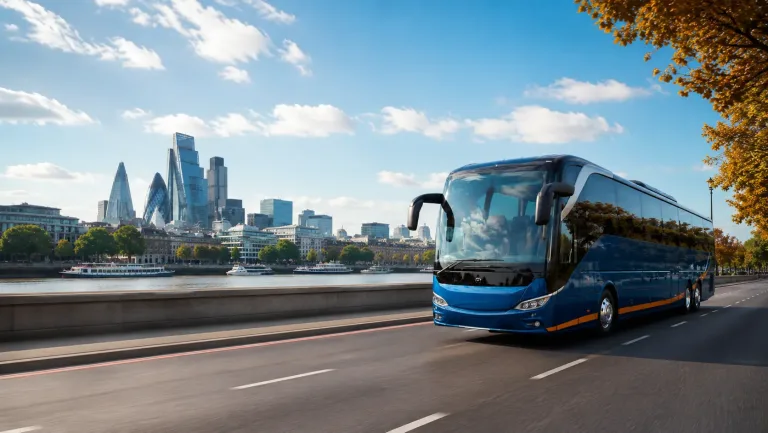
Sightseeing Coaches Planned Around Your Group's Pace
Compare excursion coach hire for clubs and community groups—sensible break planning, attraction drop-offs, and operators who know UK visitor destinations.
How Does It Work?

Submit Your Request
Share your trip on the platform. It takes about a minute and costs nothing.

Compare Prices & Services
Operators send you their offers. Compare the prices, vehicles and reviews in one place.

Choose Your Carrier
Pick the operator that suits you and confirm. From there, they handle the journey.
Sightseeing Coaches Planned Around Your Group's Pace
Matching the vehicle to the group, from eight seats to a double-decker
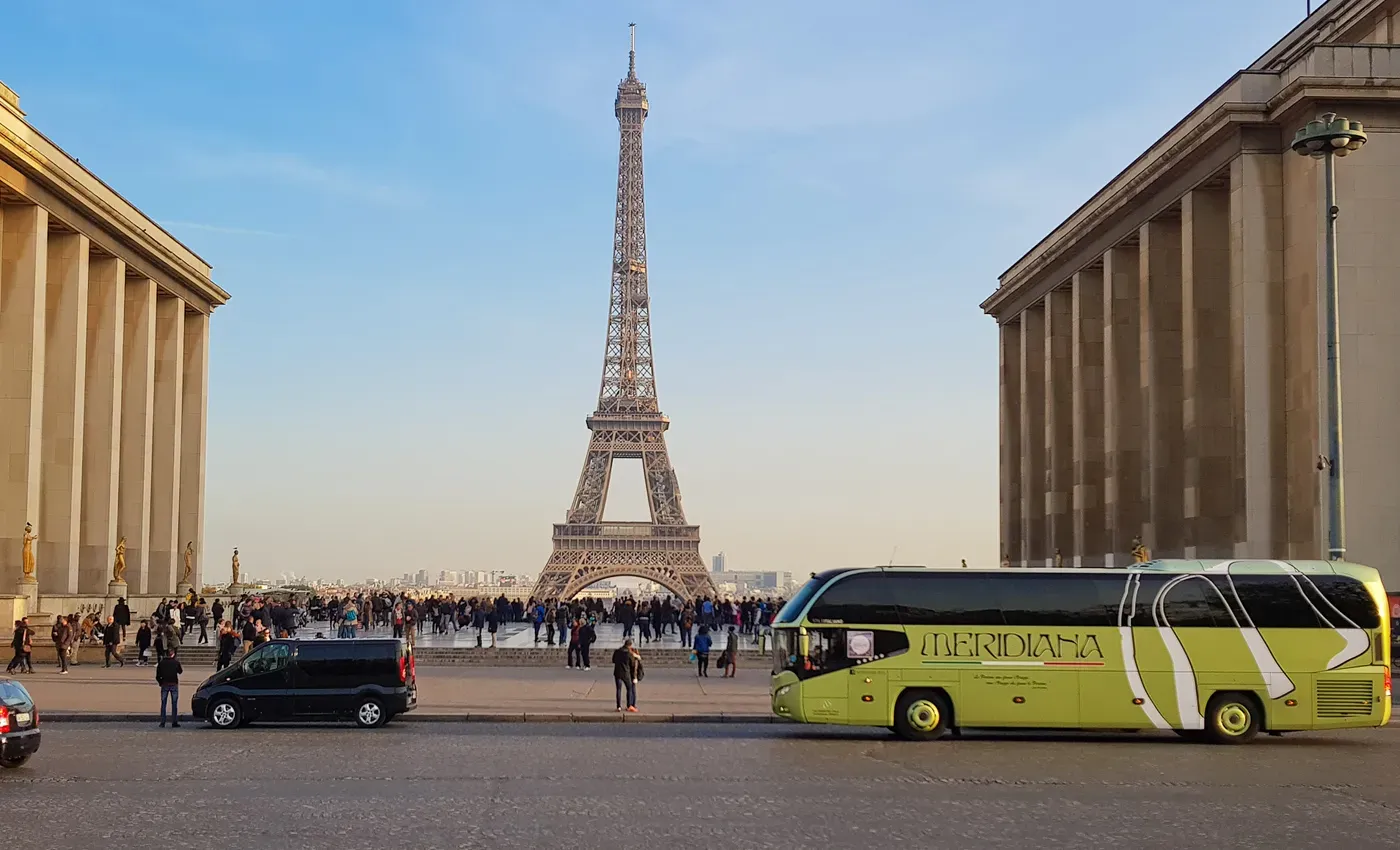
Day trip coach and minibus hire covers more ground than most organisers expect. A ninetieth birthday outing fits a 16-seat minibus. A working men's club run to the coast wants a 53-seater, and a school reward trip can stretch to two vehicles plus a written risk assessment. Size the vehicle against confirmed numbers, not the hopeful sign-up sheet, because empty seats push up the per-head fare and an oversubscribed list leaves members standing at the kerb. Licensed UK operators quote on passenger count, luggage and access needs, so a firm headcount taken a fortnight before departure saves more money than any haggling on the morning itself. Stately home, seaside pier, theatre matinee, garden show: the vehicle decision comes first, and everything else in the plan flows out of it.
Between those extremes sit the workhorses of UK excursion fleets. 8- to 16-seat minibuses handle committee recces and extended family gatherings. Midi coaches in the 24- to 35-seat range clear tighter rural lanes, and the big 49- to 57-seat tourers swallow a full load of picnic hampers and folding chairs in the hold. Double-deckers push past seventy seats when a society books en masse. The midi deserves a closer look for village pick-ups. It passes width restrictions and narrow gateways that shunt a full-size vehicle onto a longer approach road, yet it runs under the same PSV licensing and seat-belt rules as its bigger siblings, so a smaller group gives up nothing on compliance by sizing down. Comfort counts too over a long day. Reclining seats, air conditioning and a working toilet turn a three-hour leg into part of the treat, and those fittings vary between coaches of identical capacity.
Occasions vary more than the arithmetic does. Schools booking museum and gallery visits work to safeguarding ratios and expect drivers with current DBS checks, which is why many organisers stick to the vetted channels they already use for school transport and educational visits. Care homes plan gentler days: wheelchair-accessible vehicles, unhurried boarding, shorter legs between stops. Sports clubs and choirs chase early-morning departures to make kick-offs and call times, while U3A branches and gardening societies prefer a mid-morning start that dodges the commuter rush. Every one of these patterns changes the quote. Accessible lifts, booster seats and unsociable start times all belong on the proposal as priced line items, not surprises that turn up when the invoice lands.
The sums favour a shared vehicle sooner than most committees assume. One coach replaces a convoy of cars. That means one parking charge instead of forty, one arrival time instead of a straggle, and a treasurer collecting a single per-head fare rather than mileage claims of doubtful accuracy. Split fuel, tolls and attraction parking fees across a full passenger list and the coach routinely undercuts driving separately once the journey passes an hour each way. There's a social dividend as well. The ride becomes part of the outing, quizzes on the microphone included, with a shared arrival and nobody nominated to navigate or feed the car park ticket machine. For city destinations the gap widens further, since a coach drops its passengers at a designated point while forty separate cars each hunt a space and pay by the hour.
Lead time is the last lever, and a blunt one. Summer Saturdays, late-November weekends and end-of-term Fridays sell out regional fleets weeks ahead, because excursions compete for the same coaches as event transport for concerts, festivals and match days. Confirm a date a term in advance and you choose from the full local fleet. Enquire a fortnight out and you take what's left, sometimes with a positioning supplement because the nearest free coach starts its day forty miles away. A provisional booking with a modest deposit, placed early and firmed up once numbers settle, is still the cheapest insurance a trip organiser can buy.
Routes, dwell time, and the access details that decide a day out
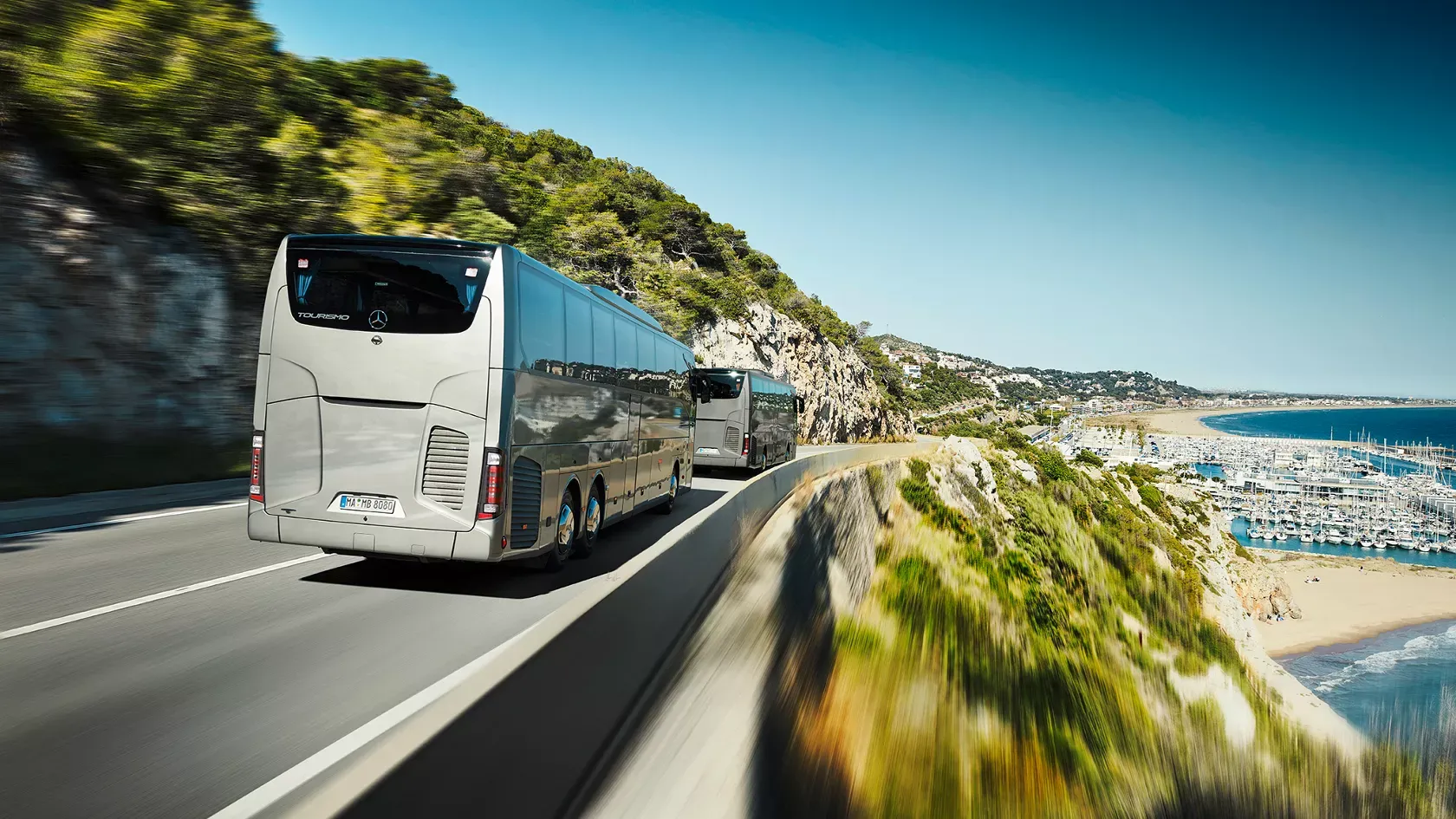
Britain's favourite excursion destinations share an awkward trait: none were built with coaches in mind. York's medieval bar walls, Bath's Georgian crescents and Cambridge's college streets funnel visitors down lanes laid out centuries before the 12-metre tourer existed. Experienced operators know each city's coach drop-off points and dedicated coach parks, which often sit a few hundred metres from the attraction rather than outside its gates, and they build that walk into the itinerary instead of letting it ambush members with limited mobility on arrival. Local route knowledge of this sort separates a driver who runs the road weekly from one navigating it cold off a sat-nav. Where a city makes coaches use a park-and-ride, the transfer time belongs in the schedule too, along with a named meeting point for the return leg.
Distance planning hits a legal wall long before it hits an endurance one. Drivers' hours regulations cap time behind the wheel and mandate rest breaks, so an ambitious day return, say the Lake District from the South East or the Cornish coast from the Midlands, can demand a second driver or an overnight stay to remain compliant. Keep each leg to roughly three hours and a single driver copes comfortably. That still puts Blackpool, Stratford-upon-Avon, Windsor and most of the Cotswolds within reach of the majority of English towns. Squeeze a five-hour run into a one-driver schedule and you usually meet the trade-off at nine in the evening on a motorway, every passenger tired and the driver watching the clock.
Dwell time at the destination anchors the day more firmly than mileage does. Stately homes and gardens reward a four-to-five-hour stay. A seaside town with a pier and a fish-and-chip lunch fills six, and a matinee is timed to the minute by the curtain. Comfort stops go in the outward plan, not promised vaguely once the motorway is underway; a driver who knows which service areas take coaches without blocking the lorry lanes keeps a 20-minute break from swelling into three-quarters of an hour. Groups with older members do best when the pace of the day is treated as a design input, not an afterthought. Publish the timings in advance, depart at eight, gates at half past ten, coach doors close at five, and the group leader is spared a headcount argument in a darkening car park.
Seasonality moves price and availability at the same time. Flower shows, pantomime runs, Christmas markets and coastal bank holidays spike demand months ahead, and excursion coaches share fleets with the midweek vehicles favoured for corporate away days and team outings, which makes a shoulder-season Tuesday one of the best-value slots on the calendar. Weather deserves a written contingency rather than optimism. An alternative indoor destination, flexible terms if a storm shuts a clifftop path, a driver briefed to reroute when coastal fog swallows the viewpoint: a one-line fallback plan agreed at booking costs nothing and rescues the day the forecast turns. Improvising one at a rain-lashed car park costs the outing.
Access notes finish the brief. Height barriers guard many attraction car parks, weight limits close rural bridges, and one-way systems in historic towns trap vehicles that follow car-grade navigation. An operator who accepts a detailed access note, or who recces an unfamiliar destination in advance, avoids the spectacle of a coach reversing out of a walled lane on a packed bank holiday. Share gate widths, gravel paths, step counts and the distance between coach park and entrance with members before booking closes, so anyone using a walking aid or wheelchair can judge the day honestly. An outing that arrives calmly, parks legally and drops passengers where they actually need to be is the one that fills its seats again next season.
Comparing excursion quotes side by side on 1Bus.co.uk

1Bus.co.uk lets clubs, schools, workplaces and community organisers publish one day trip and excursion brief and receive structured quotes back from licensed UK coach and minibus operators, rather than chasing PDFs across three separate email threads. A strong brief is specific. Passenger numbers, pick-up postcodes, the destination, departure and return times, dwell time on site, plus any access requirements such as booster seats or tail lifts. Groups arranging outings for residents with mobility or medical needs can draw on the same vetted operator pool used for healthcare and care transport, where accessible vehicles and patient, trained drivers are the baseline rather than an optional extra. The clearer the brief, the more comparable the quotes. When every operator prices the same specification, what remains are genuine differences in fleet, service and value, not artefacts of vague requirements. Transparent per-head arithmetic follows, and that's what lets a treasurer collect deposits with confidence and publish a fare that won't creep upward once the committee has approved it. Organisers who've only ever booked by ringing round local firms notice the change straight away. The specification is written down once, every response answers the same questions, and nothing hangs on who happened to pick up the phone that afternoon.
Comparing proposals well means reading past the headline figure. An all-in quote should name attraction parking, road tolls, clean-air-zone and congestion charges, and how driver waiting time is billed if a performance overruns or a garden visit stretches into the tearoom. Ask what substitute vehicle applies if a breakdown occurs on the morning of travel. Ask whether the operator holds the correct PSV licensing for the group size quoted, and how seat-belt and accessibility standards are met on the specific vehicle offered, not the newest one in the brochure. References from similar outings carry more weight than glossy fleet photography. An operator who regularly runs club and society excursions over the same distance band understands comfort stops, slow boarding and flexible returns in a way an airport-shuttle specialist may not, and a short reference call with a comparable group answers questions no brochure will. Smaller parties should also check the crossover point where a minibus beats a half-empty coach, because the cheapest vehicle per seat is rarely the cheapest vehicle for the actual passenger list. Two quotes a few pounds apart per head can hide very different days out. The questions above are how that difference surfaces before the deposit is paid, not after the coach has already arrived at the kerb.
Repeat outings are where the marketplace pays for itself twice over. An annual pantomime run, a summer seaside tradition or a heritage-railway pilgrimage can be re-tendered with last year's performance notes attached, inviting operators to sharpen punctuality or price without the specification being rebuilt from memory. Saved briefs survive committee handovers too, so the incoming secretary inherits a working document instead of a folder of half-remembered contacts, and groups whose trips harden into a fixed annual calendar can graduate to contract transport arrangements that lock in vehicles and drivers for a whole season. Continuity works in both directions. The operator learns the group's pace, its favourite stops and which members need a hand at the door, while the group stops paying the premium of being an unknown quantity every spring. Pricing tends to settle as well, because an operator quoting for a known group on a known route carries less risk and builds in less contingency. Submit your excursion requirement on 1Bus.co.uk, compare the responses side by side, and give your members a day out worth repeating: specified once, priced transparently, and run by an operator who treats a community outing as social infrastructure rather than a line on a mileage table.
Our Vehicles

8 Seater Minibus
Flexible option for small groups, airport runs and luggage.

16 Seater Minibus
Perfect for medium groups and city travel.
39 Seater Midi Coach
Ideal for school trips, events, and local transport.
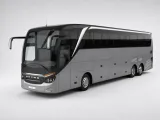
60 Seater Coach
Spacious and comfortable for long journeys and large groups.
Coach Hire and Minibus Hire with Driver

One-way or Return Transfers
Clean, well-kept vehicles for one-way or return trips. Plan a group journey in minutes with operators you can check first.

Train Station and Airport Transfers
Airport and station runs timed around your flight or train, at a price you can actually compare.

Hire Bus and Minibus per Hour
Need flexibility? Book a driver and vehicle by the hour, for any group size or occasion.

Complex Journeys
Multi-stop days, sightseeing, corporate itineraries: hire a bus or minibus with a driver and let them handle the route.
Sort your group travel in one go with 1bus.co.uk. Pick the service that fits and get quotes today.
Register NowWhy Choose 1Bus.co.uk?
Save Time
Skip the endless calls and email chains. Post your request in under a minute and let operators come to you with their best price.
Compare & Choose
Line up several quotes side by side. Weigh the price, the vehicle and the reviews, then pick the operator that actually fits the trip.
Free Service
The platform is free to use. No sign-up fee, nothing hidden. You only pay the operator once you confirm the booking.
Trusted Professionals
Operators apply to join and share their licence details before they go live. Real customer reviews help you spot the ones who turn up on time.
Friendly Support
Stuck on something? Our support team answers real questions from real people, no bot loop.
Eco-Friendly Travel
One coach takes a lot of cars off the road. Booking a group vehicle through 1bus.co.uk beats everyone driving separately.